Mandy’s Upshall Connection

I had a response as a follow-up on a Blog I wrote about Martha and her family. Martha mentioned Mandy who also descended from her great great grandmother Jane Upshall . Mandy is on AncestryDNA, Gedmatch and has an Ancestry Tree. That is a combination for making things easy for me to look at.

Mandy’s Third Great Grandmother – Jane Upshall

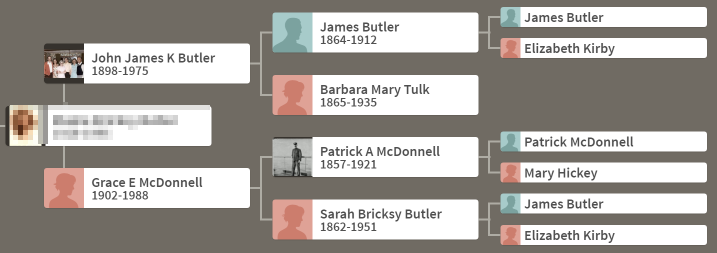
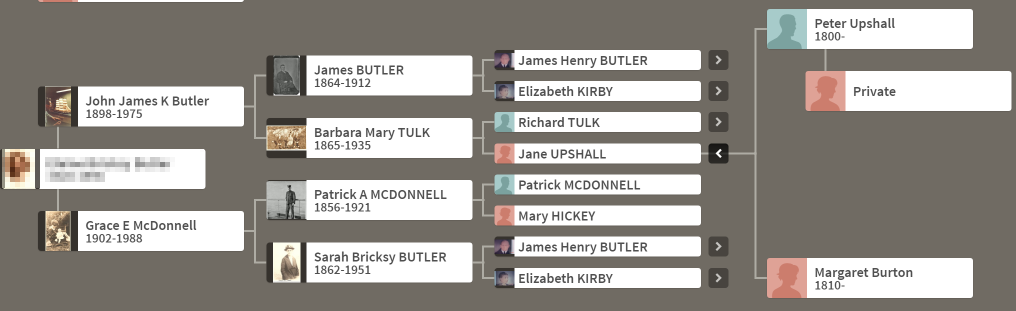
This is what I find from Mandy’s paternal grandfather’s line:

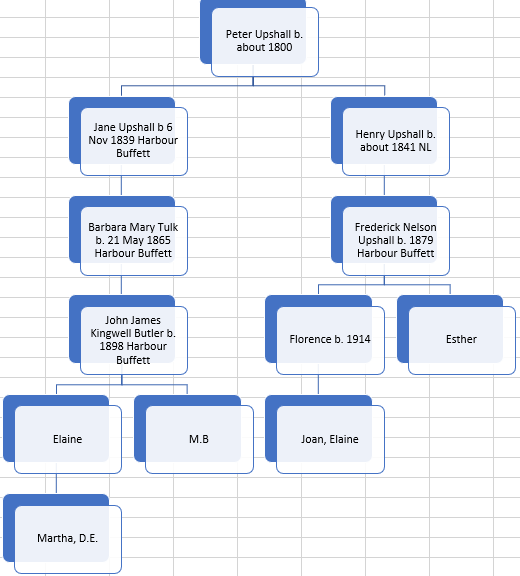
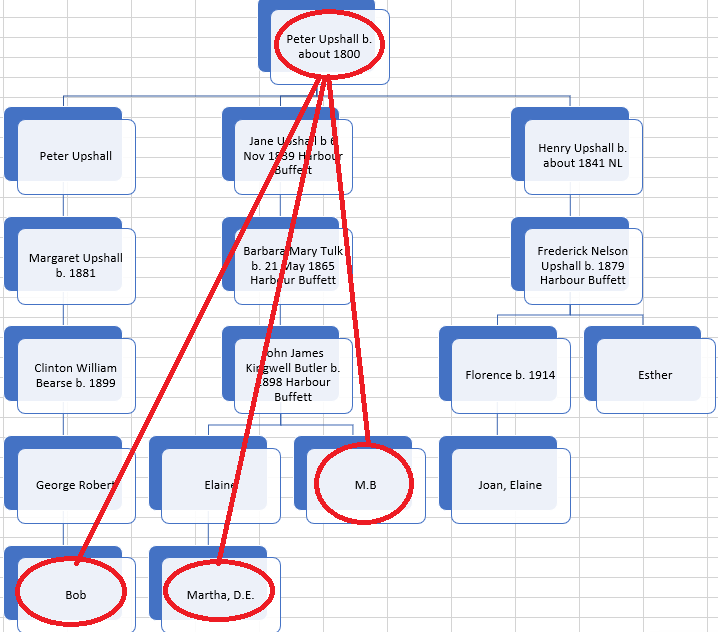
That means that Mandy is one generation further away from the Upshall connection than Martha. Here is how the connection looks from the Upshall standpoint:

Hey, how did my Garmin get in there? By this, Mandy would be 2nd cousin three times removed to Esther. But I need to go through Joan and Elaine, because Mandy is also related in other ways to Esther. This relation is by the Kirby and Emberley Lines (and possibly others). Joan and Elaine are not descended from Esther’s maternal side, so that will eliminate as far as possible the non-Upshall DNA matches.

Mandy’s DNA

It turns out that Elaine is not on Mandy’s match list. However, Mandy does match Joan, Martha’s Aunt and my wife in that order on Chromosome 17.


That’s interesting becuase Joan and my wife got some Upshall DNA that Elaine and her 1/2 Aunt Esther did not. M.B., Mandy and Joan form a Triangulation Group. Here is how the Triangulation Group (TG) looks like:

Here Mandy is 1st cousin twice removed to M.B. and 3rd cousin twice removed to Joan. I don’t show my wife, Marie. They would be 4th cousins once removed. In order to be sure this is a TG, I had to make sure that Joan and M.B. match by DNA. They do.

As I mentioned, Mandy and Joan are 3rd cousins twice removed. That would be equivalent to 4th cousins. They have better than 50% chance of matching. That would explain why Mandy and Elaine didn’t match. Another reason could be the Upshall Chart I have above. I don’t really know if it’s right. It’s a trial chart. And even if it was right, we don’t know Peter’s wife – or if he had the same wife for both potential children of Peter Upshall.

Upshall TG Summary

Based on three Blogs, here is a summary of the TGs I have found so far that appear to hark back to an Upshall ancestor:

Due to Mandy being further out as a relative, she gets only one TG. Bob is in there due to a previous Blog I wrote. His results were inconclusive.

Mapping Chromosome 17

If I want to use this information, I could try to visually map Elaine and Joan’s DNA on Chromossome 17. Here is the chromosome browser showing how Joan and Elaine match each other.

It turns out that the crossovers were a little difficult to figure out. I wasn’t sure if there were crossovers at 13.3 and 13.8M or not. A crossover is where you have DNA on your chromosome from one of your grandparents and it crosses over to another grandparent, Mandy and M.B.’s Upshall  match is on the right of the Chromosome where I have a large segment shown:

Next, I look for more places where Esther matches Elaine and Joan:

There are two long matches. This shows that Joan has a maternal crossover at 30M and Elaine has a maternal crossover at 39M.

A Paternal Match is Needed: Melissa

Melissa is the best paternal match for Joan and Elaine. She matches Elaine and Joan with a common Ellis ancestor:

Melissa’s match translates to these blue Ellis segments for Joan and Elaine:

This tells me a few things:

  • The two crossovers at 13 can be eliminated. The only place to put them in now would be on Joan’s maternal side and that is too small a segment in the middle of a Chromosome.
  • Joan’s Ellis blue will go to the right as she already has a maternal crossover at 30.
  • The same applies for Elaine

Elaine has a maternal crossover already at 38, so that means that the blue Ellis can continue to the right:

Now it looks like I’m stuck going to the left of the Chromosome. But I’m not really. Logic dictates that Joan and Elaine’s Ellis DNA segments will continue to the left. How do I know that? The segment between 2 and 10 is FIR (Fully Identical Region). That means that Joan and Elaine must share the DNA from all 4 grandparents in the HIR (green) region. If I change one of the blues going left, that would make the area a non-identical region or a no-match area. So the crossover must be a maternal one. Joan has to switch to Upshall or Elaine has to switch to Daley.

I’m happy enough to leave Chromosome 17 as is for Joan and Elaine. This would be a good one to check for Ellis descendant DNA matches.

Summary and Conclusions

  • Mandy had one good Upshall certified match with Joan
  • Mandy has other matches with Esther, but they are likely on her maternal side where they share Kirby and Emberley ancestors.
  • Elaine and Esther did not have the same Upshall DNA match with Mandy. That gets to the importance of testing multiple people.
  • Elaine and Joan’s DNA results were important in filtering out the non-Upshall DNA matches that Mandy has with Esther.
  • For fun, I mapped most of Elaine and Joan’s Chromosome 17 to see where they got their DNA from. I did this using a method called visual phasing. To do this between two siblings, it is important to have good matches on the maternal and paternal side.
 

My Father In Law’s Big Y Butler Results

I ordered a Big Y test for my Butler father in law last Summer and got the results right before the start of the New Year. Unfortunately my father in law passed away last Spring, but Family Tree DNA had kept his DNA sample from a previous Family Finder test.

Recap of Butler YDNA

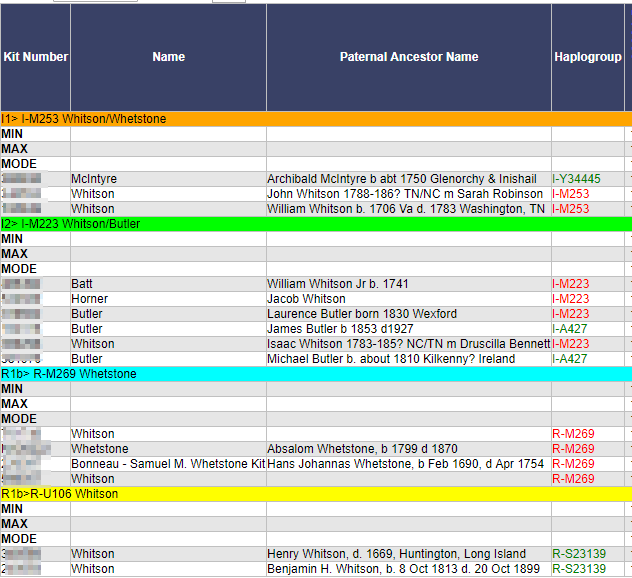
My wife’s father’s family is in the I2 Haplogroup. He is also in a Whitson Project which I administer. Here is a summary of the Whitson Project which includes Butlers, Whitsons, Whetstones and others:

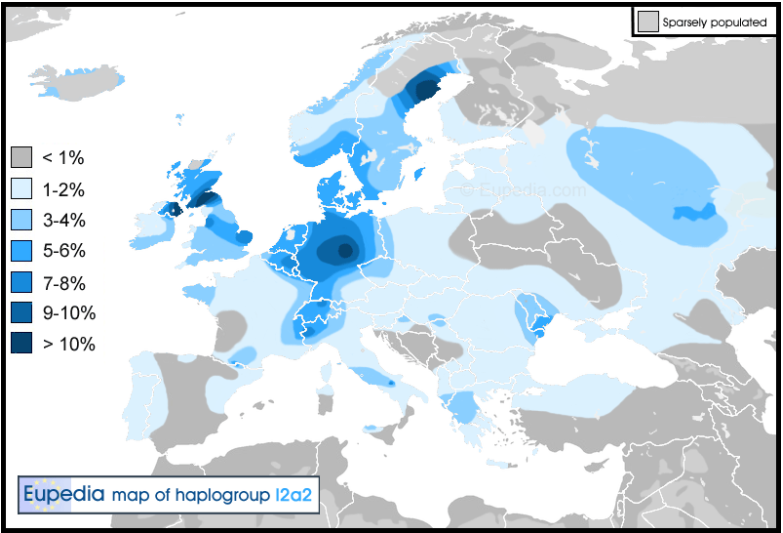
The group has grown from 12 to 15 since I last wrote about it. My father in law’s ancestor was Michael Butler. Here is a general idea of where I2 – M223 can be found:

Richard shares I-A427 Haplogroup with another Butler. These Butlers believe that their ancestors were origninally from the SE of Ireland. It is likely that all the Whitsons and Butlers in the I-M223 Group above are also I-A427

From I-M223 to I-A427


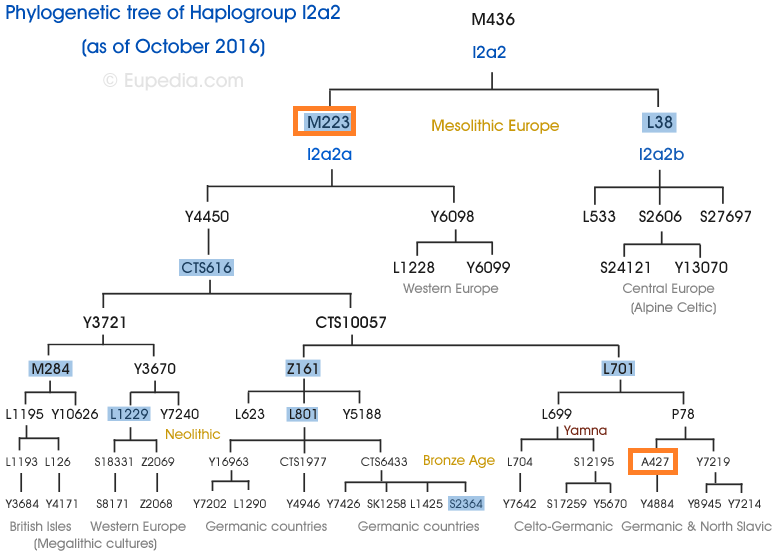
This tree is a bit over a year old. A427 is at the bottom right of the tree. Somehow these Germanic Butler ancestors made it to Ireland. Of course, they had thousands of years to make it there.

A427 and Children at YFull

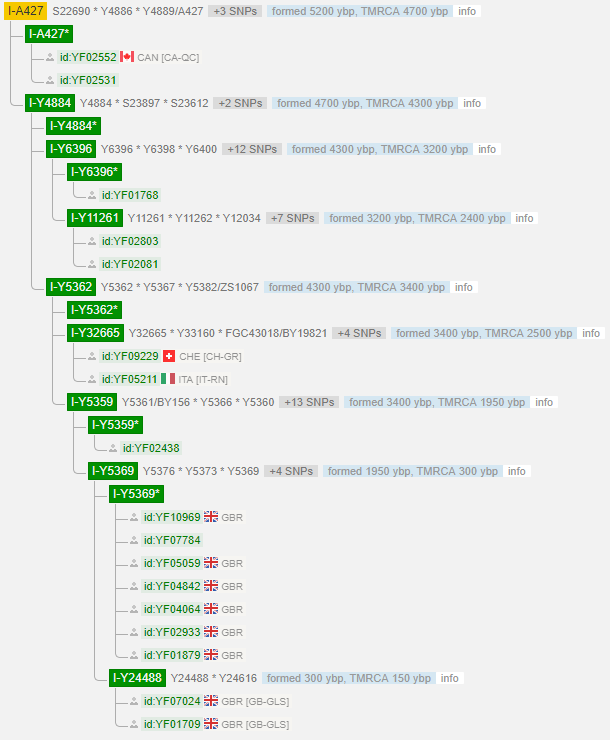
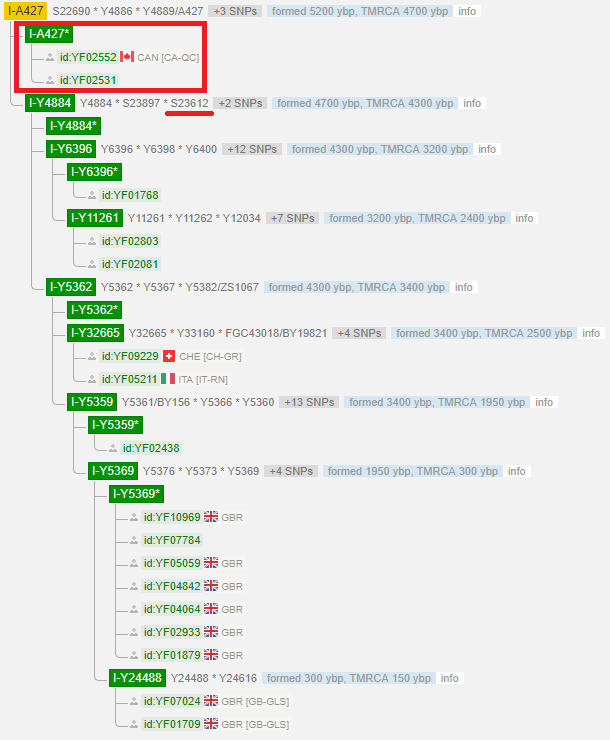
The normal strategy is to upload Big Y results to YFull. YFull takes a look at the results and likely puts you in a downstream group to A427. YFull has a YTree. This is the A427 portion of the tree:

  • I am quite amazed at the span of years in this tree.  The Time to Most Recent Common Ancestor (TMRCA) for A427 is 4700 YBP (Years before present). The TMRCA for I-Y24488 is 150 ybp. That is a span of about 4700 years for this branch!
  • The other observation is that it appears that a family group at the bottom of the tree got together for some planned Big Y testing.
  • Not all kits have flags, but I don’t see any Irish Flags for the kits that do have flags.

The FTDNA I-M223 Project

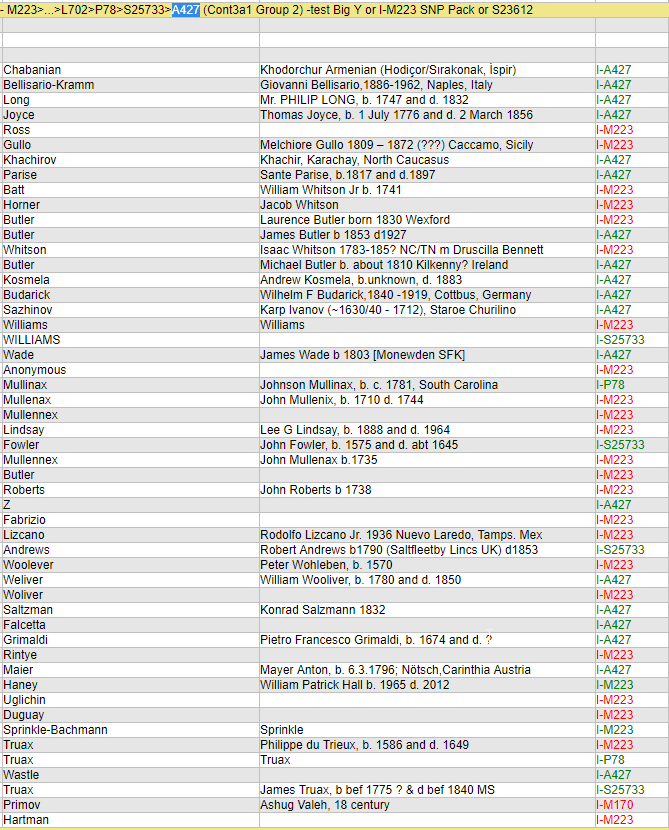
This project has the results from about 3500 men who have had YDNA tests. Here are the results of those put in the A427 group:

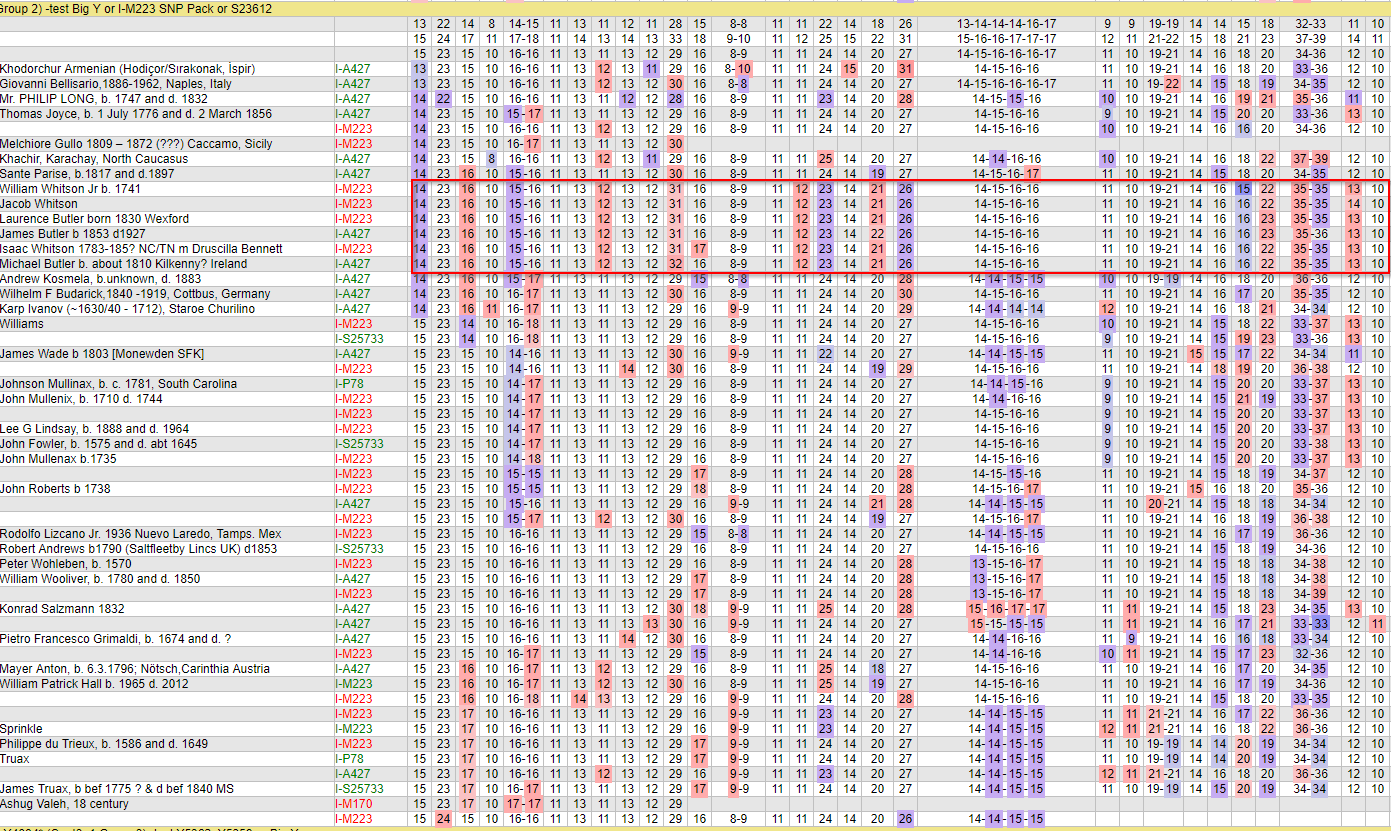
There are others below this group that have been put into branches below A427. Among this group are 3 Butlers and 3 Whitsons. I have written before about signature STRs. The signature STRs are highlighted for Butlers and Whitsons:

The mode of the STRs are at the top of the list. Deviations from that mode are in pink or purple. The areas where the STRs are in a colored block or similar within the Whtison/Butler Group are the signature STRs for Whitson/Butler.

Big Y Results

The Big Y Results so far have been dissapointing. I had thought that the results would bring the Butlers into a more recent SNP than A427. Apparently that will have to await YFull analysis or analysis by the M223 administrators. Here are my father in law’s Big Y Matches:


At first, I thought this was a mistake, so I wrote to the M223 Activity Feed. There answer was that there is a new matching definition:

A person is considered a match if they have 30 or fewer differences in SNPs with you, and their haplogroup is downstream from your haplogroup or downstream from your four closest parent haplogroups.

To me, this seems like a backwards way of matching. However, I’m sure FTDNA have their reasons. According to YFull, the TMRCA for A427 is 4700 years ago. YFull uses an average SNP rate of 144.41 years. That would mean that there would be about 32.5 SNPs in that time. I assume that there would be many more SNPs due to branching.

More Snooping Around and Problem Solved

I finally downloaded the SNPs for Richard, my late father in law. At the top of the list was this:

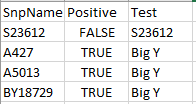
Note that S23612 tested negative. Under Test is also S23612. That tells me that FTDNA did a special test for S23612 in addition to the Big Y as they also questioned the results. That means that Richard’s Big Y results are actually stuck back in antiquity – for now.

Help: The Butlers/Whitsons Stuck at 4700 Years Ago!


YFull named the only branch under A427 for Y4884. Notice that I underlined in red the equivalent level SNP S23612. For whatever reason, FTDNA decided that should be the name of the branch. There are two others that have had a Big Y or equivalent test and uploaded their results to YFull that are stuck at A427. It is possible that Richard will form a new branch with one of those.

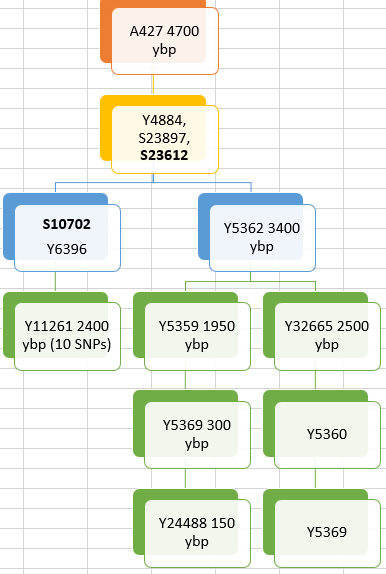
I combined the YFull Tree and the ISOGG Tree and came up with this:

Now What?

What is needed now is someone in the I-M223 Group of the Whitson/Butler Group to take the Big Y test. This would bring the SNPs up to a more reasonable time frame. I suspect a new Whitson/Butler SNP branch will come down at the level of the yellow box above.

Richard’s Butler “Variants”

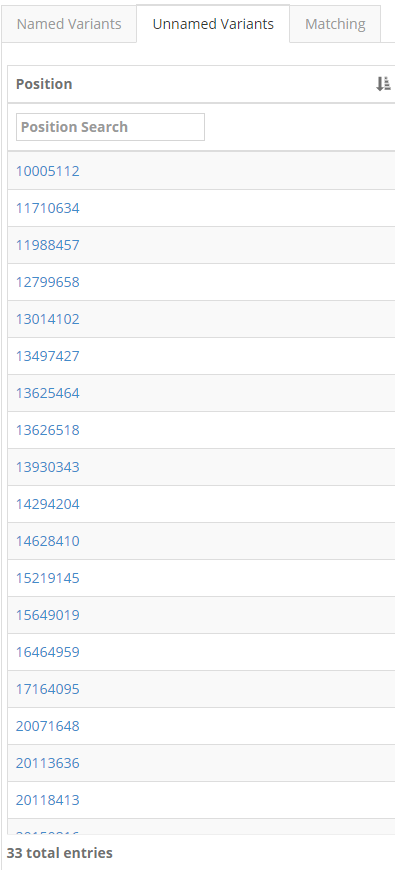
Remember that I estimated that in 4700 years there should be 32.5 SNPs? Well guess what. Richard has a total of 33 Unnamed Variants according to his Big Y test. What are Unnamed Variants? Unnamed Variants can be not-yet SNPs. These 33 Unnamed Variants are waiting for matches. Once there is a match, it is possible for these Unnamed Variants to become named SNPs that would form their own branches. So say that someone from the I-M223 branch of the Whitson/Butler Project were to take the Big Y test. It would be likely that there would be a match on 30 or so of those Unnamed Variants and that 3 may remain as Variants, sometimes called Private SNPs.

Here is what the Unnamed Variants look like for Richard:

To the right of the list, there is a Reference Letter and a Genotype Letter. These letters are A, G, C, or T. Then there is a confidence level. This is set to High by default. Each unnamed Variant is a Position Number. According to FTDNA:

The Position column displays the position (location) of the unnamed variant on the Y-chromosome with respect to the GRCh38 human reference genome, which is maintained by the Genome Reference Consortium.

YBrowse

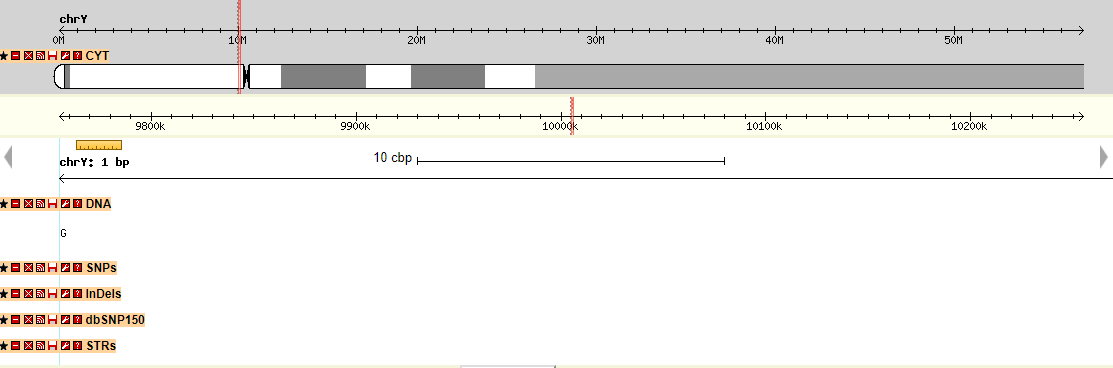
It is possible to go to ISOGG’s YBrowse page to look up these positions I suppose this would take a while to look up 33. Here is the first Unnamed Variant 10005112:

This shows where the ‘Variant’ is on the Y Chromosome. If there were any named SNP or other information, it would appear below the Browser.

Unnamed Variants with SNP Names

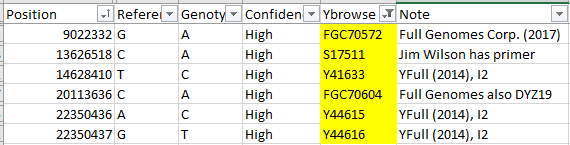
Believe it or not, I went through every one of Richard’s Unnamed Variants in the YBrowser. Come to find out, some of them did have names – just not with FTDNA. Here are the six out of 33 that did:

This was interesting, but probably not any of these SNPs are on a tree right now.

Summary and Conclusions

  • Right now, Richard’s Big Y results have not shown him in a more recent Haplogroup than I-A427. That goes back to at least 4700 years before present or about 2700 B.C.
  • FTDNA tested Richard for the only presently known SNP below A427 which is S23612. This is equivalent to YFull’s Y4884. FTDNA found that Richard did not have this SNP.
  • I will upload Richard’s Big Y results to YFull for analysis once they are released by FTDNA. This may result in further branching below A427 other than S23612 (or Y4884).
  • A Big Y test by an additional Butler or Whitson in the I-M223 Branch of the Whitson project would result in many new matches of Variants which would become named SNPs and likely form new branches. This matching would give an approximate date of the Butler and/or Whitson’s common ancestor.

Bob’s DNA Connection to the Upshall Family

Over the years, there have not been too many Upshall matches. So when an Upshall descendant, Bob, contacted me about a DNA match recently, that was good news. Upshall is my mother in law’s mother’s name. I had my mother in law Joan tested, her sister Elaine tested and their half Aunt Esther tested. They all descend from Upshalls.

Bob’s Family Tree

Bob tested on Family Tree DNA where I found his tree.

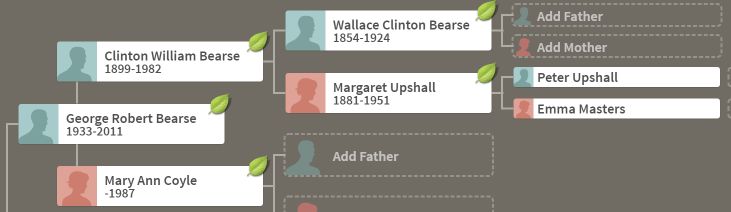
Bob has Upshall on his paternal side. I see a Peter and Jane A Upshall in Harbour Buffett in 1945:
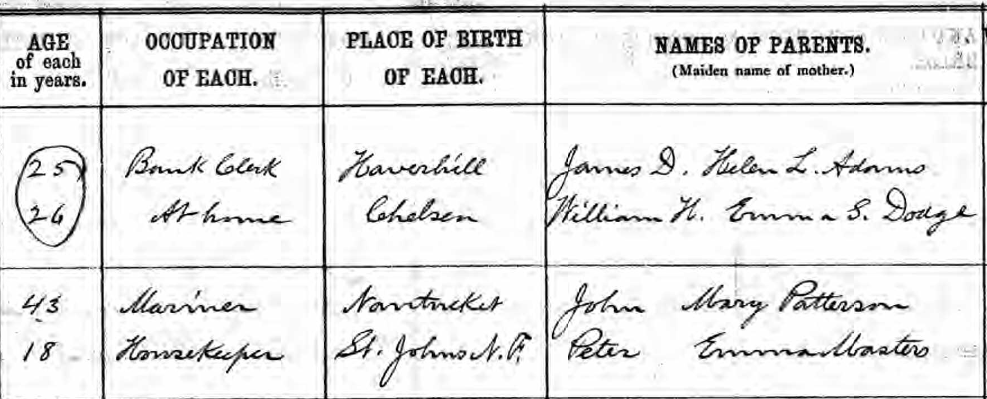
Based on this couples’ age, they should have been born around 1883. This cannot be the right couple because Margaret or Maggie Upshall was born around then. I found Maggie’s 1898 wedding record and it appears that her mother’s name could have been Emma:

As Emma was 18 in 1898, that would means she was born about 1880. I do note that there was a widow Emma Upshall who married in 1894 in Harbour Buffett:

This widow would have been born about 1850. Could this be Emma Masters?

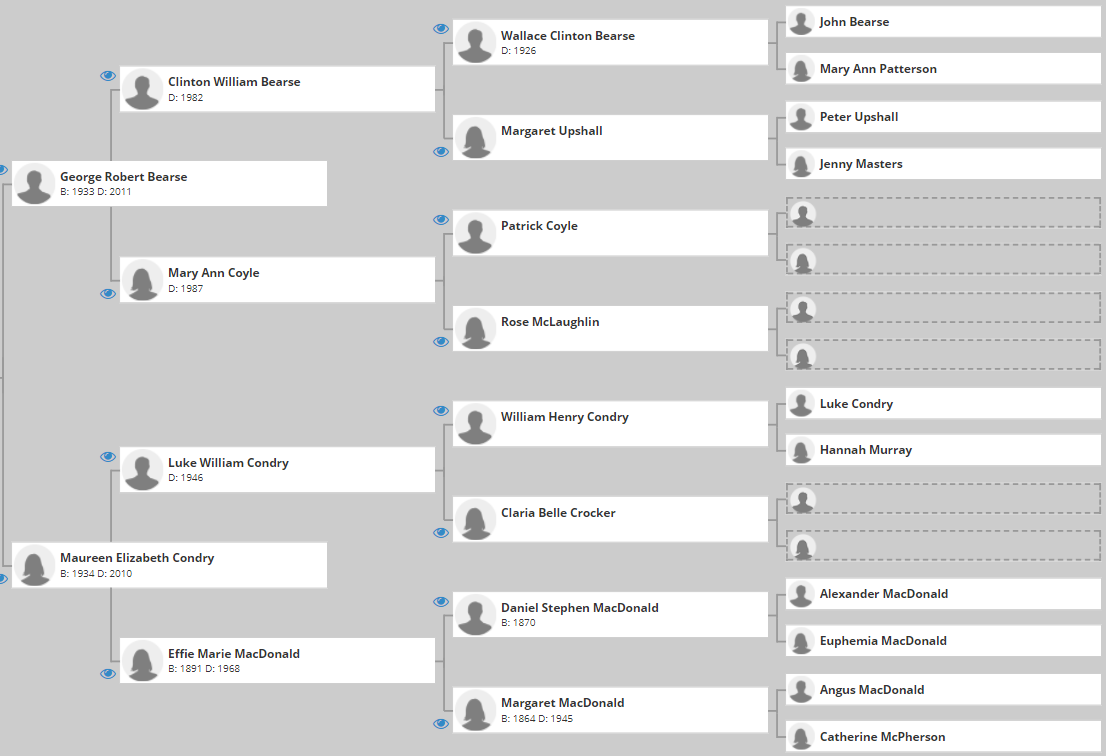
I built out Bob’s tree much like he did, except with an Emma instead of a Jenny:

Bob’s DNA at Gedmatch

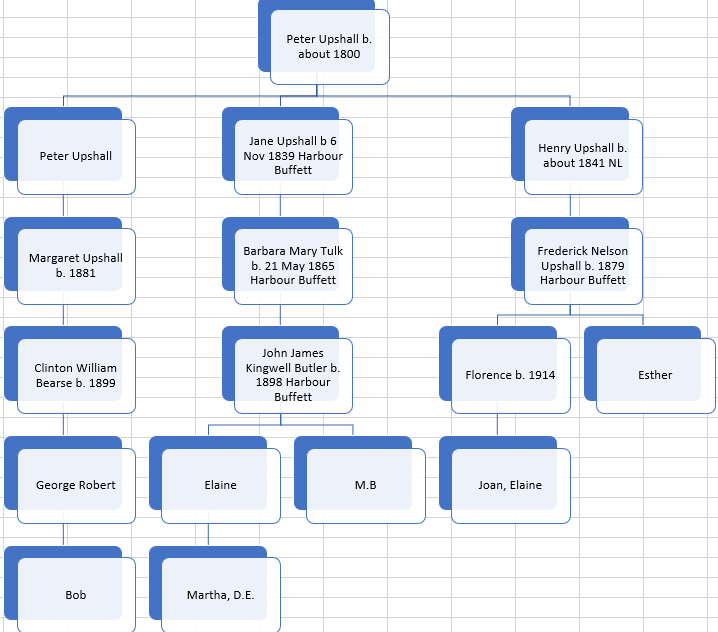
Bob tested at FTDNA. Esther tested at AncestryDNA, but I uploaded her results to FTDNA where Bob found her. Bob wonders if Peter Upshall could be Henry Upshall’s brother. Henry is Esther’s grandfather. Here is a tree showing that possible scenario:

Martha’s family was highlighted in my previous Blog. The above tree is my fabrication, but in my previous Blog I gave a lot of reasons why Martha’s tree should be joined with Esther’s. In th above tree, Bob and Esther are 2nd cousins, twice removed. That means the Esther is 2nd cousins with Bob’s grandfather, but Bob is removed twice from his grandfather

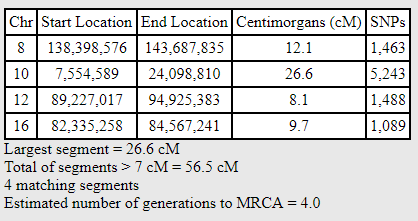
I was happy to hear that Bob was willing and able to upload his results to Gedmatch for comparison. My wife’s Great Aunt Esther has a lot of new matches at gedmatch. These new matches appear in green. Bob is Esther’s 10th green match on her ‘one to many’ list of matches. Bob is about 42nd overall on Esther’s list. Here are the details of the match between Bob and Esther:

An important number is the Estimated number of generations to MRCA. At 4.0, this would be equivalent to a 3rd cousin. Above, I mentioned that Bob and Esther are 2nd cousins, twice removed. Genetically speaking, that is equivalent to a 3rd cousin relationship. So, on that level, that makes my hypothetical tree look good.

Bob’s DNA Compared to Joan and Elaine

Bob has no match with Joan. By my hypothetical tree above, Joan and Bob would be third cousins once removed. FTDNA has had this chart out for a while:


That tells me that there is a 70% chance that Bob and Joan should match. Or a 30% chance that they would not match.

Here is Bob’s match with Elaine:

They match, but the DNA match makes it look like a distant match.

Bob’s DNA Compared to Martha’s Family

Under my hypothetical tree, Bob and Martha would be 4th cousins. He would be third cousin once removed with Martha’s Aunt. Here is Bob’s match with Martha’s Aunt:

Based on just the MRCA, this would be close to a 3rd cousin, once removed. However, it would have been nice if there were shared matches on the same segments where Bob and Esther matched.

Bob’s Match with Martha’s Brother

Bob’s Match with Martha

What Does All This Tell Us?

To me, the evidence is inconclusive. The levels of matches between Bob, Elaine and Joan are below average for a 3rd cousin once removed relationship. However they would be within the possible ranges. Bob’s level of DNA matches with Elaine and Martha’s family are about average for what we had proposed. I feel like the person on the stand who said, “I will neither confirm nor deny…”.

Triangulation Groups (TGs)

Triangulation is when three non-siblings match on the same segment of DNA. A TG indicates a common ancestor or ancestral couple. There is triangulation between Bob and Martha’s family. There is also triangulation between Elaine, Bob and Esther at a low level. However, there is no triangulation between the three groups. This does disprove a common ancestor. However, this does not prove a common ancestor between the three families.

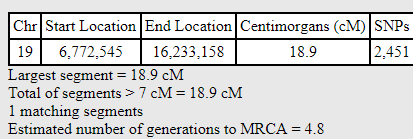
TG with Bob and Martha’s Family: Chromosome 19


This indicates a common Upshall ancestor (or with Peter’s spouse). Or with another common ancestor.

TG with Bob and Esther’s Side: Chromosome 12


This also indicates a common Upshall ancestor (or with Peter’s spouse). Or with another common ancestor.

Gedmatch Full Features

It took a while for Bob’s DNA to ‘tokenize’ at Gedmatch. Now everthing is up and running. I can see Bob’s list of ‘one to many’ matches. Bob’s first match has a Masters surname. He may want to follow up there.

Bob’s Matches in Common with Esther

A favorite utility at Gedmatch is awkwardly named, “People who match one or both of 2 kits”.  This should show on what lines Bob and Esther could be related.

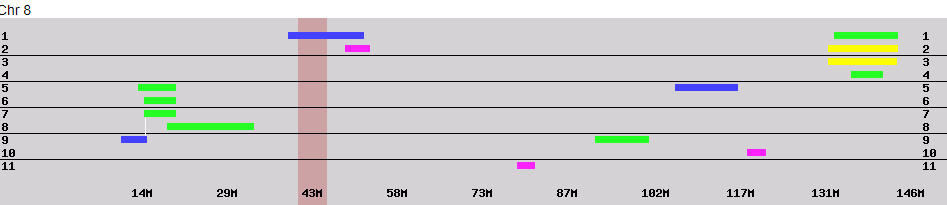
Here are common matches Esther has with Bob on Chromosome 8:

The area I’m interested in is in the top right of this Chromosome Browser. Here Bob is #4. #1 is JoJo at Ancestry, but I don’t know much about her. Numbers 2 and 3 I know from a Dicks DNA project. These two are Marilyn and Howie. They are actually in two Dicks Lines. One is Dicks/Joyce and one is Dicks/Crann. I would not be surprised if this TG represents a Crann common ancestor. I have hypothesized that Esther has a Crann ancestor in previous Blogs. In my theory a Crann marries an Upshall. Confusing, isnt’ it?

Bob and Esther: Shared Matches on Chromosome 10

This represents Esther and Bob’s large match on Chromosome 10. Here Esther’s match with Bob is shown as #6. #7 could be a TG with someone named Dave. I don’t know a lot about him.

Bob and Esther: Shared Matches on Chromosome 12

This represents the TG I had mentioned above. Esther’s match to Martha is #2. Bob is #6. This is the Chromosome that ties things together. However, it is difficult to tell if this TG harks back to Peter Upshall or a more distant ancestor.

Here is my TG summary from my previous post:

At that time, TG12 was the large TG. Here Bob would piggy back onto TG12 but only from about 89 to 93M.

Summary and Conclusions

  • Bob’s genealogy appears to point to a common Upshall ancestor
  • This common ancestor could be at the level of Peter Upshall or even an ancestor of Peter
  • The DNA connection between Bob, Martha’s family and Esther’s family does not seem to be quite as strong as the connection between Martha’s family and Esther’s family. That may because there are three each in Martha’s and Esther’s families
  • At this point, it is inconclusive as to whether the DNA matches point to Peter Upshall, an ancestor of Peter Upshall or another surname.
  • More research on the DNA connections between Upshall, Crann and Masters may sort things out in the future.
  • The DNA connections may also bring a clearer shared genealogical ancestry to light.


Martha’s Family’s Harbour Buffett DNA

A lot has been going on with Harbour Buffett DNA and genealogy lately. My wife’s great Aunt Esther’s gedmatch list has had a lot of green numbers showing up lately near the top of her Gedmatch list. Green means new entries of people that have had their DNA tested and uploaded to Gedmatch. Esther’s ancestors are all from Harbour Buffett. Martha has come up as one of Esther’s recent matches at Gedmatch along with Martha’s brother and her maternal Aunt. Also there is a new Facebook Page called Harbour Buffett DNA.

Martha’s Genealogy

It is actually Martha’s mother’s genealogy that I am interested in.

I have a new tool where I can blur things for privacy. I don’t know if I need to, but I blurred out Martha’s mom from Martha’s genealogy tree. This is the side from Harbour Buffett. I’m even more interested in Martha’s Aunt’s genealogy. Martha has a separate tree for that line.

This line goes back further to Upshall which is interesting. My wife’s Great Aunt Esther is an Upshall. Another important aspect in comparing Martha to Elaine, Joan and Esther is that Martha shows no Dicks family in her direct ancestry. If she had Dicks ancestors, that would clould the DNA comparisons.

Esther’s Genealogy Compared to M.B. (Martha’s Maternal Aunt)

What is interesting to me is that Jane Upshall in Martha’s tree could be a sister to Henry Upshall in Esther’s tree. As this is Harbour Buffett, Newfoundland, there are other connections. AncestryDNA makes the obvious connection between Martha’s Aunt (M.B.) and Esther:

Here Esther and M.B. show as 3rd cousins. The graphic shows Esther and M.B.’s common ancestor of Kirby/Emberley. These are ancestors that my wife’s family do not share as they are only related on Esther’s Upshall side.  AncestryDNA thinks that Esther and M.B. should be 2nd cousins by DNA. There is at least one reason for that. That could be the Upshall connection.

The Upshall Connection

Here, I would like to work on the assumption that Martha’s ancestor Jane is Henry Upshall’s sister.

This shows that under this scenario, M.B. and Esther would be 2nd cousins once removed. To me, this is a likely guess and would explain AncestryDNA’s designation of 2nd cousin (along with the actual 3rd cousin Kirby/Emberley connection.)

Peter Upshall: A Common Ancestor?

Much of DNA matching is looking for Common Ancestors. One way to look at the Upshall connection is through Esther’s two 1/2 nieces: Joan and Elaine. Joan is my mother in law and Elaine is her sister. Joan and Elaine are only related on Esther’s paternal side and not her maternal Kirby/Emberley side. In autosomal DNA, it is all about separating between maternal and paternal sides.

Here is a look at Esther’s tree where she would match Elaine and Joan:

Further, Martha’s family does not show direct Dicks ancestors, so that would force the connection to be on the Upshall side.

Here is how Joan and Elaine fit in coming down from my proposed common ancestor:


Florence is Esther’s older half sister. Under this scenario, Joan and Elaine would be M.B.’s 3rd cousin. I had Elaine tested at AncestryDNA where she and M.B. show as possible 4th cousins by DNA. However, in my opinion 3rd cousin would work also. I would like to show that Upshall is a common ancestor between M.B., Joan, Elaine and Esther by comparing DNA matches.

AncestryDNA Shared Matches

AncestryDNA has a helpful utility called Shared Matches. Elaine has shared matches with M.B. AS Elaine and M.B. have a likely shared Upshall ancestor, the shared matches of Elaine and M.B. should also have a shared Upshall ancestor.

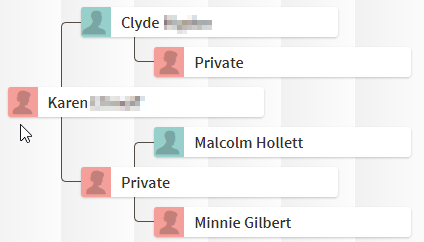
The first shared ancestor of M.B. and Elaine is Karen. She has a short tree.

Karen’s Newfoundland Ancestry

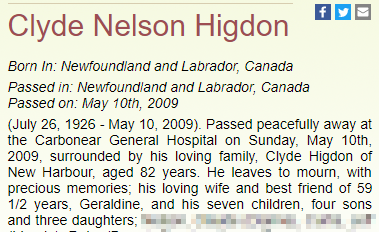
Karen shows both her parents as coming from Newfoundland. I recognize the names of Hollett and Gilbert. It would be a little work to try to build Karen’s tree back. Fortunately, FamilySearch.org has the 1935 Newfoundland Census. I see Clyde there with his parents Isaac and Mary in New Harbour Trinity District. There was a Malcolm Hollett in the 1921 Census for Spencer’s Cove, Placentia that might be the right person. I was ready to give up on this tree, but rememebered I sometimes have good luck searching for obituaries. I found this one:

This certainly fits with New Harbour. This also tells me that Clyde and Geraldine married around 1949. I sent a message off the Karen to see if she coiuld tell me any more. I’ll try another Shared match.

John’s Harbour Buffett Ancestry

John’s family tree at Ancestry looks like this:

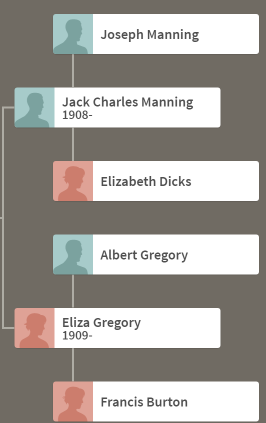
John shows that his father, Jack was born and died in Harbour Buffett. That is a good sign. Here is the 1905 marriage record for Joseph Manning and Elizabeth Dicks:

Here are some other familiar names of Upshall and Kirby. This gives us birth dates for Joseph and Elizabeth. This tree at least got me back to Harbour Buffett. However, there was no clear connection to the Upshall Family.

Back to M.B.’s DNA

First, I’ll make one more adjustment to the family tree. I want to include Martha and her brother in the tree:


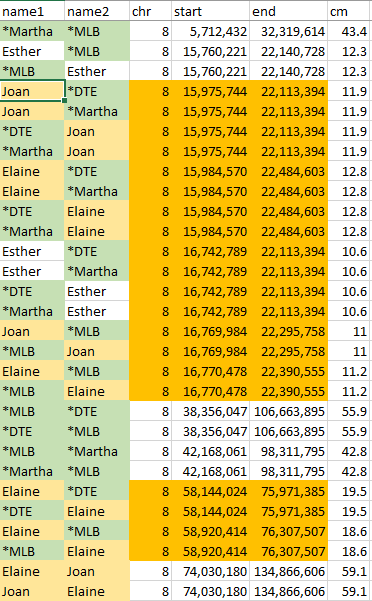
I will now look at all the matches between Martha, D.E., M.B., Joan, Elaine and Esther and see if anything pops out I am especially interested in matches with Joan and Elaine as that narrows down the ancestors to Upshall.

Time to Triangulate

A Triangulation Group (TG) is when three non-siblings match each other. When this happens there should be a common ancestor or ancestral couple. I compared all the above bottom row people to each other. I made Joan and Elaine yellow and Martha and her brother and Aunt green. That way, I can see where there is a green next to a yellow easily. Those are the matches that I am looking for.


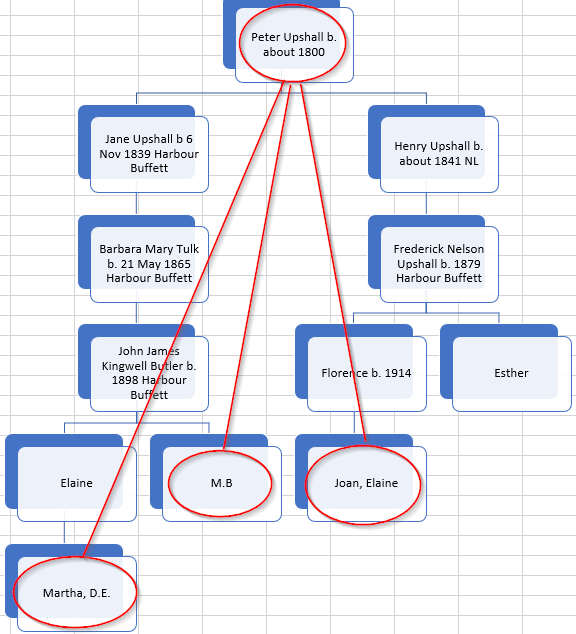
On Chromosome 6, there is a TG between Elaine, Joan, MLB, DTE, and Martha. Interestingly, Esther is not in the TG (or she is in the TG below the 7 cM threshold). In my hypothetical Upshall tree, the TG would look like this:

I am assuming that Peter Upshall and his unknown wife are the common ancestors. Or put another way, if they aren’t then who is?


Two TGs on Chromosome 8

The first TG seems to have everyone in it: Esther, Joan, Elaine, Martha, DTE and MLB. The second TG just has Elaine, DTE and MLB.

An Upshall(?) TG Summary

Rather than go through every TG, here is a summary:


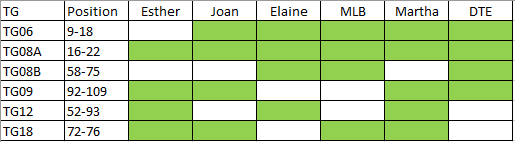
Based on this summary, Martha wins the prize. She is in 5 out of the 6 TGs. Everyone else is in 4 TGs. The first column names the TG based on the Chromosome. The second column is position where the TG is on the Chromosome (in Millions). The green indicates who that person is in the TG. I hope that this chart will be the baseline in case we come upon other Upshall descendants.

Summary and Conclusions

  • Due to the genealogy between Martha’s family and my wife’s family, shared DNA matches should lead to the Upshall line
  • A comparison of Ancestry DNA shared matches between Elaine and Martha’s Aunt didn’t lead to any obvious new leads.
  • Martha’s addition of her DNA as well as her brother and Aunt’s DNA to Gedmatch has been a big help in figuring out relationships.
  • I mapped out several Triangulation Groups between Elaine, Joan, Esther and Martha’s family. These TGs seem to point to either Peter Upshall or an ancestor along the Upshall Line.
  • The Summary of “Upshall” TGs could be a baseline for further Upshall descendant matches.


My First Try at Two Sibling Visual Phasing

I recently had my wife’s Aunt Elaine’s DNA tested. She is the only sibling of my mother in law Joan. I would like to try to visually phase these two. Fortunately, they have have a half Aunt Esther. She is related on only one of their grandparent’s sides. That side is Upshall from Newfoundland. I am hoping that Esther’s DNA results will be helpful in visually phasing.

Aunt Esther’s Upshall DNA

Here is how Elaine matches Aunt Esther:

Here is how my mother in law Joan matches Esther:

It looks like Esther will be a big help in identifying Elaine and Joan’s maternal grandfather side.

Chromosome 1

I’ll just jump in and try Chromosome 1. That is the big one.

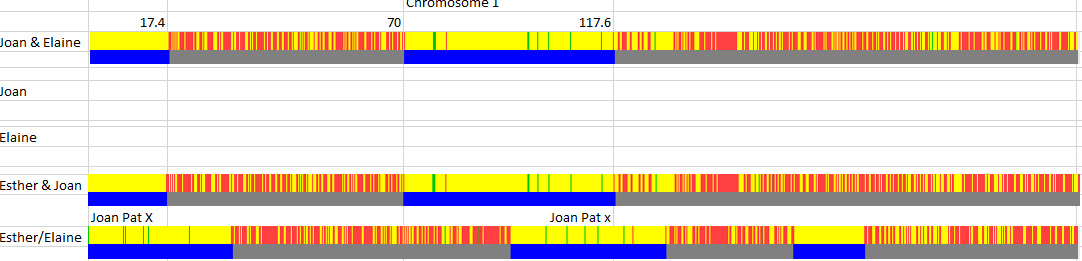
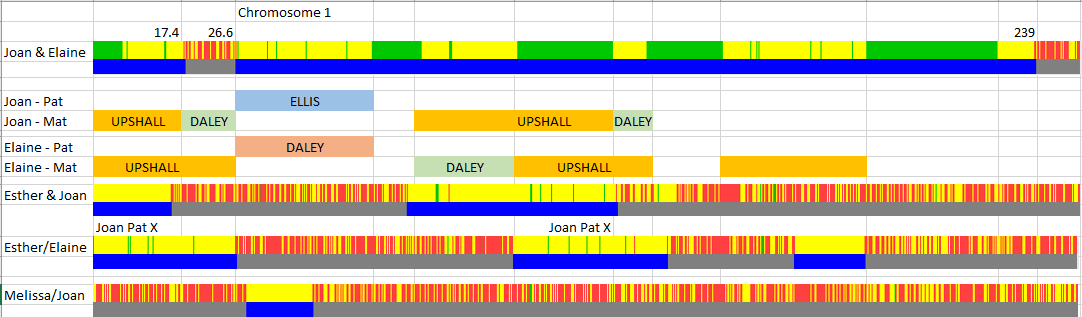
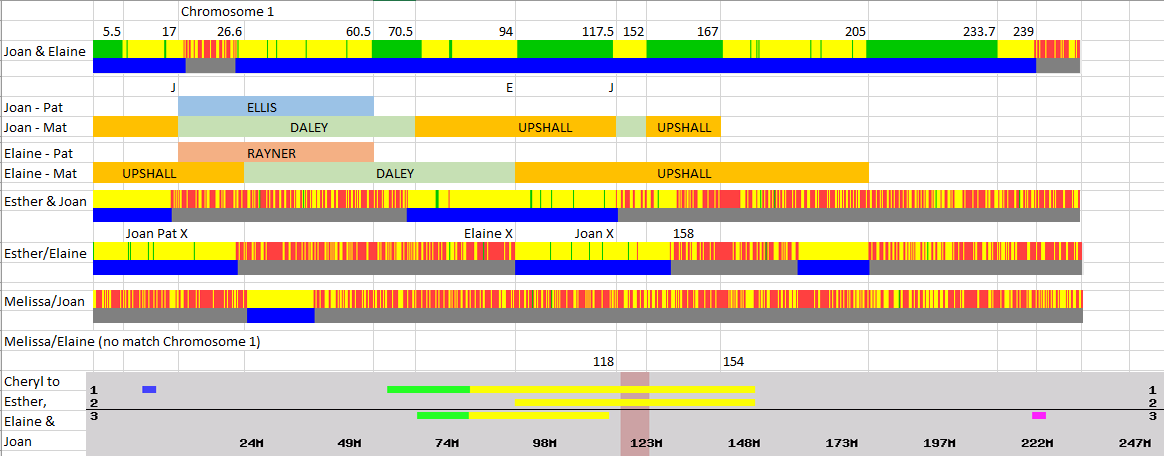
Already I have a bit of a problem. There is some green within the second HIR or Half Idendical Region (yellow area). I am ignoring it for now. This graphic shows that Joan and Elaine have no FIRs on Chromosome 1.

Next I add Esther’s DNA to the mix:

This is interesting. I see two maternal crossovers for Joan. Joan’s maternal grandparents are Upshall and Daley. Esther represents Upshall. So at 17.4M, Joan must go from Upshall to Daley. I say this because Elaine continues to match Esther (Upshall) after 17. 4M. The same thing happens at marker 117.6. Now look at Esther. She must have a maternal crossover between 70 and 117.6M.

Actually, it looks like I made a mistake. My first comparison of Joan and Elaine is the same as Esther and Joan, so I must have done it wrong. I’ll make sure I have Joan and Elaine this time and lower the levels to 3 cM and 300 SNPs. Now my results look more reasonable.

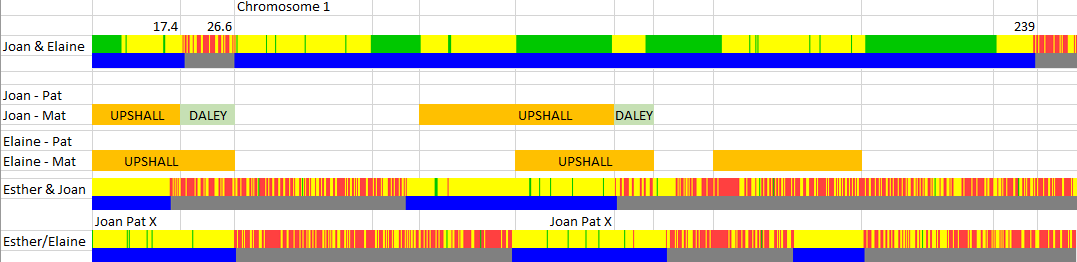
That looks a lot better. Forget my comment about there being no HIRs. There are at least five green HIRs between Elaine and Joan. Things didn’t line up perfectly, but I tried to fudge them in. Upshall is shown in orange which corresponds to the matches with Aunt Esther. Next, I add in some more Maternal segments for Elaine and Joan:

Again, the orange pretty much mimics the matches that Joan and Elaine have with Esther. The difference is with Elaine’s last orange segment. That goes more to the left as I don’t show a crossover there. There should also be a maternal crossover for Elaine to the left of her second orange segment. That means that to the left of that middle orange segment, there should be some green Daley.

The Paternal Part of the Puzzle

It would help to have some paternal matches at this point. Melissa is one match that I have mentioned in at least one previous Blog.

I like Melissa’s matches, because she doesn’t show any obvious Rayner in her ancestry. A Rayner would mess things up as that is Elaine and Joan’s maternal grandmother’s name. Jane would also be a good choice here.

Melissa adds some information. She represents the Ellis side. She matches Joan, but not Elaine. As Melissa does not match Elaine in this location, I have put down the paternal grandmother Daley in Elaine’s segment below Joan’s Ellis segment:

[Edit: the reddish paternal segment on Elaine’s bar should actually be Rayner.]

Now I have a little bit of paternal informatiion, but I appear to be at an impasse. Next, I will look at Joan’s Excel spreadsheet of matches. I see a Hayley there that matches through the Dicks Line. Dicks is a mother of Upshall, so that counts as an Upshall for my purposes.  Here is Joan’s match with Hayley:

This does not help as Esther already matches in this area. However, it does point out that I missed a crossover at the beginning of the Chromosome where the FIR (green) between Elaine and Joan goes to HIR (yellow).

I’ll take a break for now and move on to another Chromosome.

Mapping the X

I mentioned that Chromosome 1 was the largest Chromosome. The X Chromosome is fairly large also. There are some advantages to mapping the X Chromosome. One advantage is that Elaine and Joan’s paternal X is already mapped to their father’s mother (Daley).

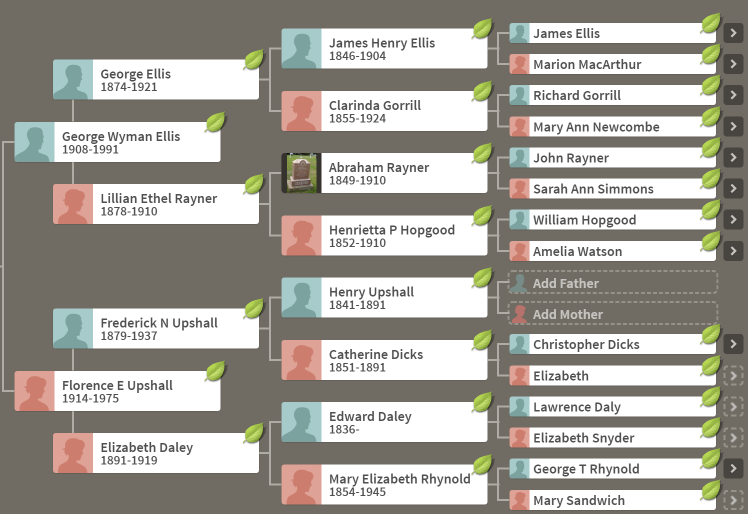
See, I already mapped both of their paternal side X Chromosome. Joan and Elaine both get the same X Chromosome from their dad. This is the same one he got from his mom (Elizabeth Daley). Here is the genealogy:

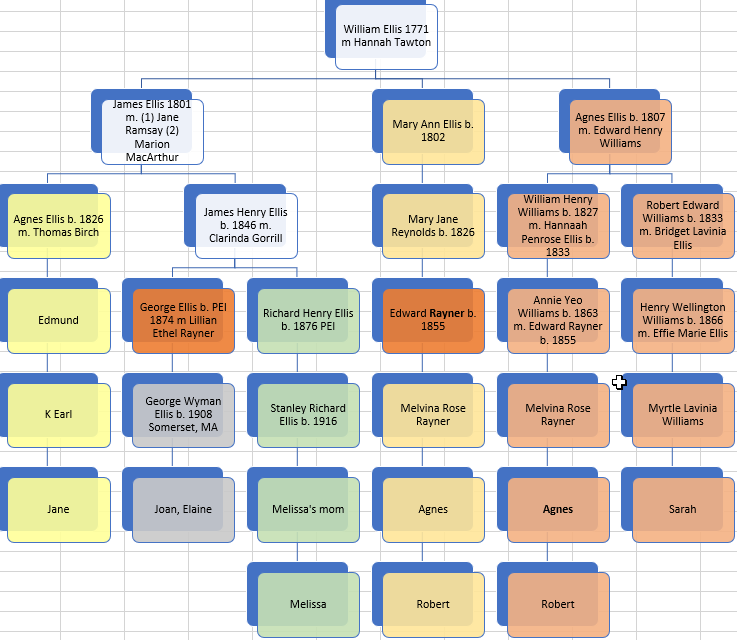
See, that is why I check. Joan and Elaine’s dad was an Ellis and his mom was a Rayner, so I got that backward.

That leaves Upshall and Daley for the maternal side. I mapped three maternal crossovers, but there may be more that I don’t see.

Again, Esther will represent Upshall and not Daley. That is because Elizabeth died in the flu epidemic. Fred Upshall remarried a Shave and had Esther.

When I check Esther’s X against Elaine’s, I get no match. Joan and Esther, however, do match:

In fact, Joan’s matches with Esther line up with the crossovers I have. That is good news. Here I also changed the color of Rayner to be consistent with Chromosome 1.


I’m pretty sure the end result should look like this:

Back to Chromosome 1

In the Dicks DNA Project I have been working on, I have a Triangulation Group Summary. The mother of Fred Upshall was a Dicks, so Dicks helps to identify Upshall DNA.  Here is a partial shot of that Summary for Chromosome 1:

I have not added Elaine to the Summary yet. This shows that Cheryl, Charles, Joan and Elaine match on Chromosome 1. Here is how Cheryl matches Esther, Elaine and Joan:

Adding Cheryl and Position Numbers

I got the numbers on the top of the Joan/Elaine comparison from Gedmatch’s full resolution option on their chromosome browser. A few observations:

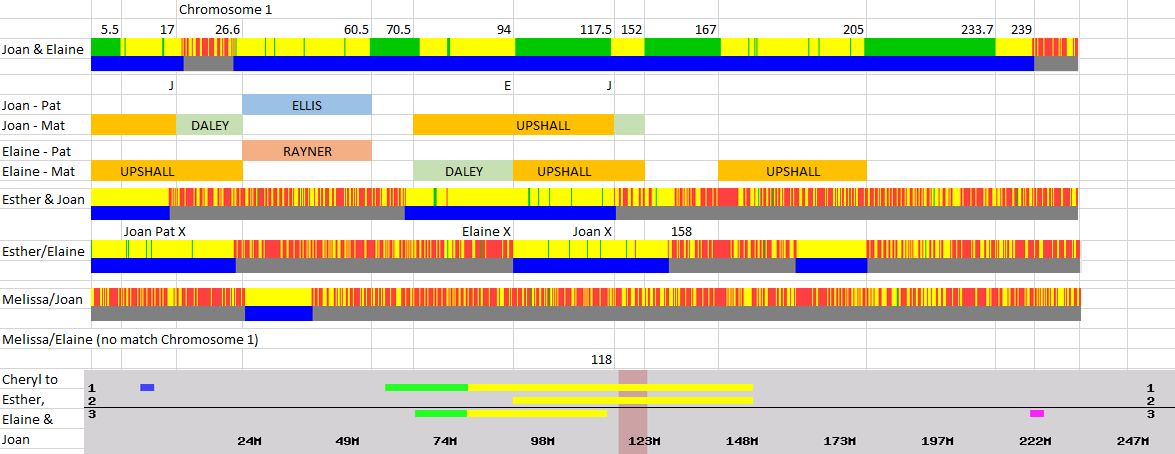
  • Cheryl’s matches confirm Elaine’s crossover at 94 and Joan’s at 118M
  • Cherlys’s match with Joan also indicates a likely Paternal crossover for Joan at 70M
  • Elaine and Esther match to 158M. That means that Elaine likely does not have a crossover at 152
  • Due to the centromere of Chromosome 1, the two browsers align very poorly around 152M. Note on the original comparison between Joan and Elaine how quickly the numbers go from 118 to 152M.
  • As mentioned above, Elaine’s Upshall segment should go past 152, but then there is a FIR. That means that Joan will have an Upshall segment above Elaine’s. That means that her Daley segment will look tiny, but it will actually go from 118 to 152M which is not so small.

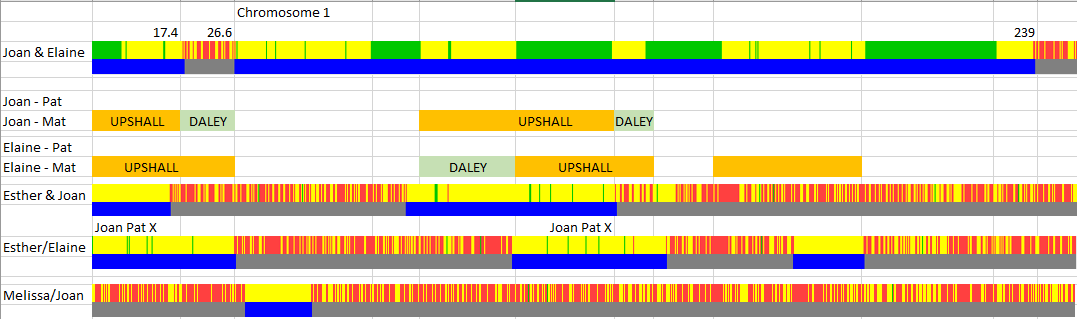
Based on my above observations, I have this new map:

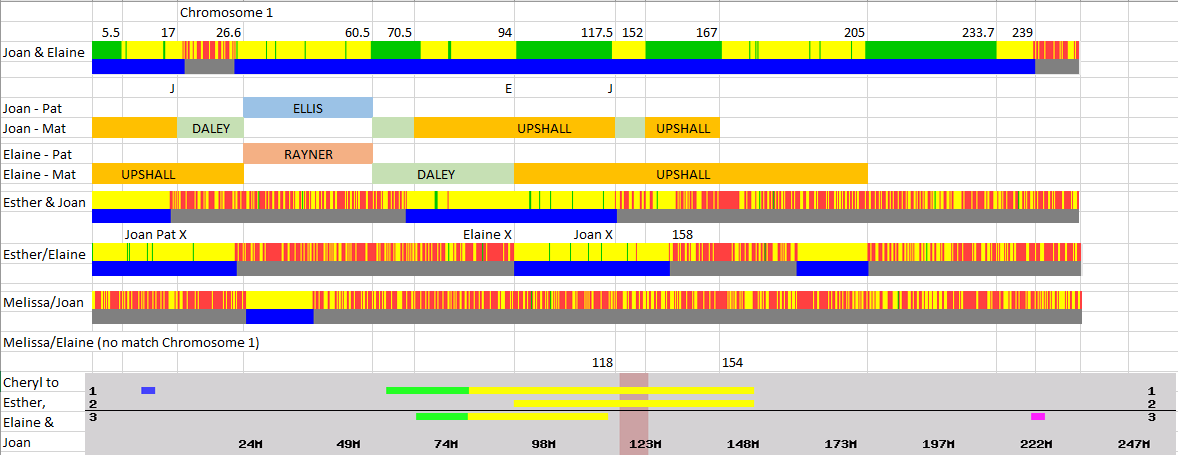
I gave Joan a paternal crossover at 70.5M. I also gave her a paternal crossover at 152M. This leads to another observation. The area between 60.5 and 70.5M is a FIR. That means that for Joan and Elaine, their paternal grandparent and maternal grandparent have to match. That means that at 60.5M, Joan’s Ellis DNA has to turn into Rayner DNA or Elaine’s Rayner DNA has to turn into Ellis DNA. Either way, there will be a Paternal Crossover for either Elaine or Joan at 60.5M. That means that there is not a maternal crossover at 60.5M for Elaine nor Joan. That will expand the maternal Daley to the left for Elaine and Joan:

This leads to more observations:

  • One I could have noted before. Betwen 17 to 26.6M Elaine and Join do not match each other. Elaine has Upshall DNA there, so Joan has to have Daley there.
  • Elaine has a Maternal Crossover at 26.6M. That means that there is no Paternal Crossover there. That means that I can move the two paternal segments to the left.
  • The fact that Elaine has a Maternal Crossover at 26.6M means that Joan has no maternal crossover there, so the Daley segment can be moved to the left also for Joan.

Moving the Daley segment to the left for Joan created a Maternal Crossover for her at 17. That means that there is no Paternal Crossover there and the two Paternal segments can be moved to the left:

So Chery’s matches were a help.

Summary and Conclusion

  • A first shot at two person visual phasing has shown promise.
  • Chromosome 1 is a difficult one, but I got a start on it
  • The X Chromosome was mapped for Elaine and Joan.


A First Look at My Wife’s Aunt Elaine’s DNA

Aunt Elaine has Prince Edward Island and Newfoundland Ancestry. She has some Nova Scotia in there also. Here are her roots in Canada on a map:

The red marker is Canso, Nova Scotia. PEI is to the NW and Newfoundland to the NE of Canso.

Aunt Elaine’s Ancestors


The top half of the Elaine’s ancestor’s are from PEI. The Upshall side is from Newfoundland and the Daley side is from Nova Scotia. That makes Aunt Elaine 1/2 PEI ,and 1/4 each of Nova Scotia and Newfoundland.

Aunt Elaine at AncestryDNA – Shared Ancestor Hints

At Ancestry, Aunt Elaine has 84 Shared Ancestry Hints (SAHs). These are people that match by both DNA and family tree. When I say there is a match by family tree, I mean that Elaine and the match have at least one common ancestor. The first match is between Aunt Elaine and Aunt Elaine’s half Aunt Esther. Aunt Esther has Newfoundland Ancestry. When I look at shared matches between Aunt Elaine and Aunt Esther, there are three with SAH’s. They are all Newfoundland relatives, or rather relatives with shared Nefoundland ancestors.

PEI DNA SAHs

Most of Elaine’s SAH’s are from PEI. There are two reasons for that. One is that Elaine is 1/2 from PEI. The other reason is that I have traced her Ellis ancestry quite a ways back. Also there were some pretty large Ellis familiies. Here are the results of the SAHs:

  • About 81 PEI Ancestors – mostly Ellis
  • About 3 Newfoundland ancestors – mostly Dicks
  • 0 Nova Scotia (Daley) ancestors

Where Have All the Daleys Gone?

Elaine has 2 PEI grandparents: Ellis and Rayner. She has one Newfoundland ancestor: Upshall. Where are the DNA matches for her Nova Scotia maternal grandmother Elizabeth Daley? AncestryDNA has search functions. One is for name and the other is for birthplace. When I put in Canso, NS into the search, I get 7 people that show as 4th cousins to Elaine by DNA.

The 1st two 4th cousin matches have ancestors in PEI. They also match others that are Elaine’s PEI matches. Elaine’s third match with a Canso ancestor is Barbara. Here is Barbara’s tree:


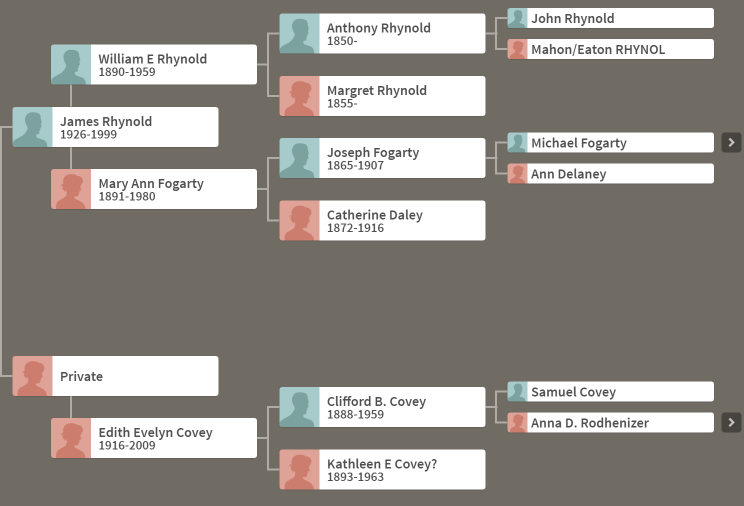
Note the Rhynold and Daley names that match with Elaine’s tree. Barbara’s Catherine Daley is shown as having died in Canso, NS.

Summary and Conclusions

  • Elaine has a ton of PEI Shared Ancestor Hints- mostly Ellis. In the past, when I have looked at Elaine’s sister’s DNA results, I have found it fairly easy to identify Ellis or PEI ancestors by DNA. These results help explain why that has been relatively easy.
  • Elaine has a few Shared Ancestor Hints from Newfoundland
  • Elaine has no Shared Ancestor Hints on her 1/4 Nova Scotia side. I have found a match with Barbara that has the Rhynold/Daley/Canso NS connection to Elaine
  • When I look at Elaine’s matches at Gedmatch.com, I will be able to find out exactly where her PEI matches are (on which parts of which of Elaine’s chromosomes).

Marilyn’s Brother Howie’s YDNA

I had a question recently from Marilyn. Could I look at her brother’s YDNA? Marilyn knew of some family lore that their Brown surname could have originally been Smith. That would be confusing as both Brown and Smith are very common names.

Looking at Howie’s YNDA

Howie had the 37 STR marker test done. That is the entry level test for YDNA. Based on Howie’s DNA results, FTDNA has classified him as R-M239. R-M239 is a very basic and old clade. A clade is a YDNA type or classification. According to the FTDNA Project, “R1b All Subclades”, R-M239 “…is the most common Y chromosome clade of paternal lineages across much of Europe.”

R-M239 Map

Eupedia has a map showing a likely progression of R-M239 and it’s offspring:

Based on this map, R-M239 moved to the NE of Greece where it split off. One branch moved to around the area of current eastern Germany and made more splits. The L21 branch is associated with the early setters of the British Isles. Another branch, U106 went up into Scandinavia or stayed in the NW of Germany. This branch is also associated with the Saxons which later came to England as the Anglo Saxons. Anglo is associated with England. The eariler L21’s were aslo known as the Britons which is where we get Great Britain from. So within Great Britain or England, there are the Britain’s (L21 aslo associated with Celtic culture) and the English (U102 or Anglo Saxons).

Is Howie L21 or U102?

FTDNA does not go out on a limb in predicting clades or subclades. However, the administrators of the FTDNA projects are good at looking at the STRs and making predictions. That is why I suggested that Howie join the R1b and all subclades FTDNA group. R1b is roughly associated with R-M239.  However, I believe that strictly speaking, R1b is even more basic (probably the M343 in the map above).

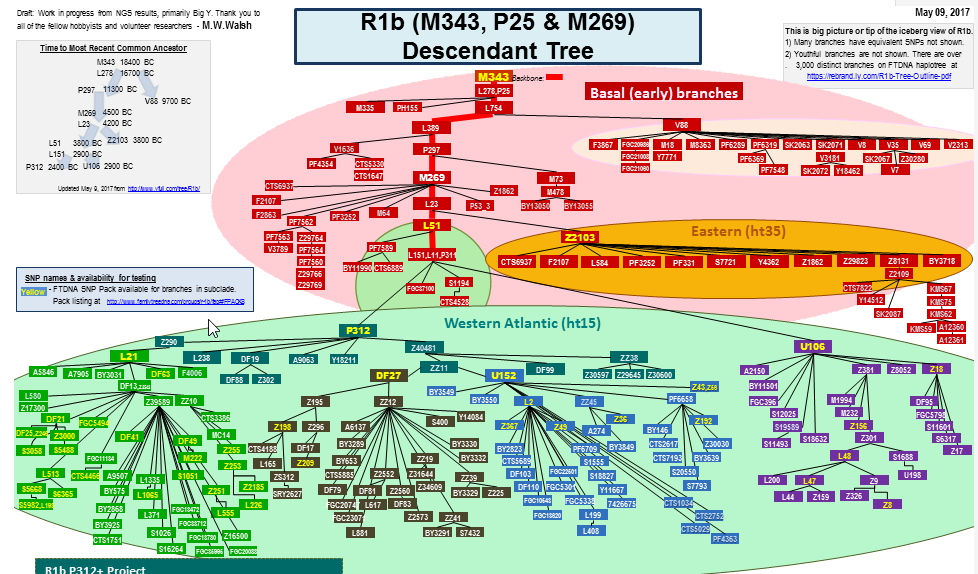
Here is a R-M239 tree at the R1b and all Subclades Project website:


This graphic shows R-M239 as a Basal (early) branch. My Hartley branch is under L21 which is to the bottom left. Below that I am in L513 and there is a whole large tree just for L513 (not shown above). This shows that L21 and U102 are not the only choice for Howie, but they would be popular choices.

R1b and All Subclades Project

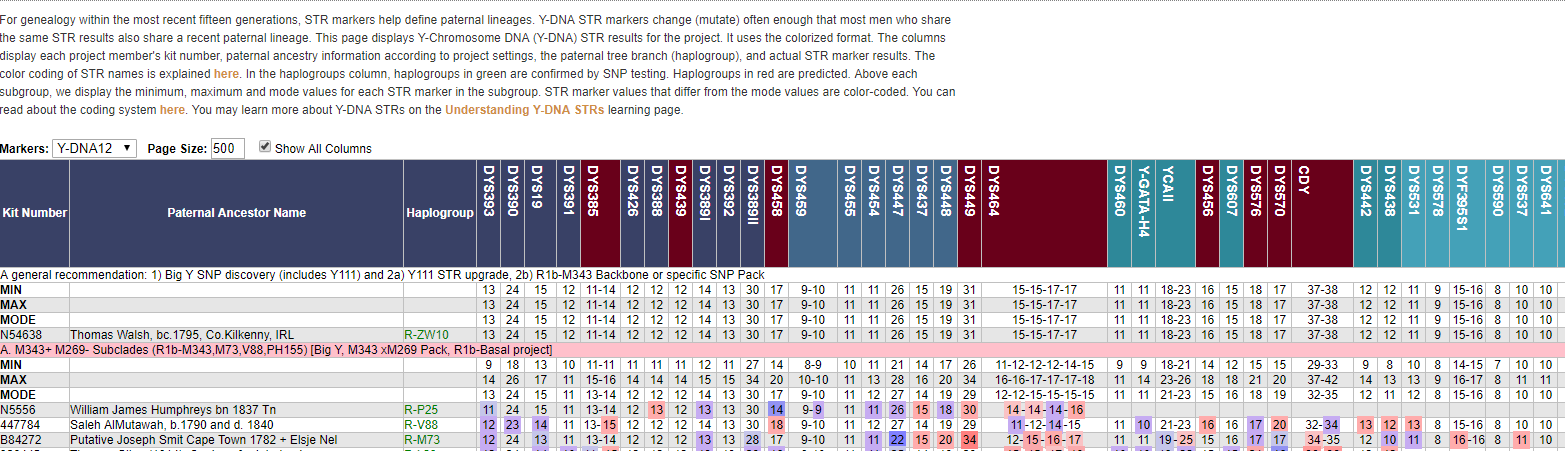
There are over 16,000 people in the R1b Project. They are all in a table that begins like this:

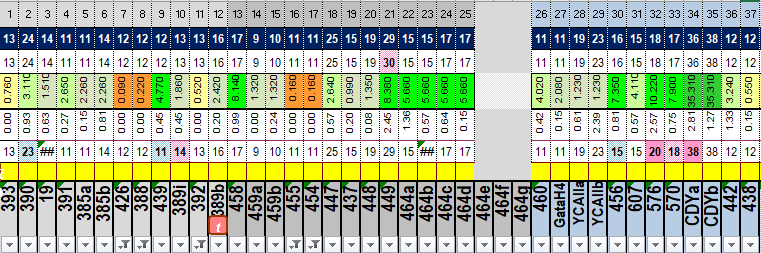
These are the first 3 names of 16,000+ entries. The numbers are the STR valuues. The header above the numbers gives the name of the STRs. The maroon STRs are the faster moving STRs. This is important as these are the STRs that are more likely to change. The change in the color of blue indicates different STR panels. Howie took the 37 panel STR. On the right side of the header, the STR name goes from blue to a lighter blue. The lighter blue on the right is the start of the 67 panel STR test.

The third column is Haplogroup. If the value is green, it means that person has tested for that haplogroup. If the value is red, it means that the haplogroup is assumed from the STR test. Howie hasn’t tested for a haplogroup, so his R-M239 would be red. These 16,000+ names and results are organized into different categories. The first group is for people that are M343+ M269-. That means that they are have a very old type of DNA. The M269- means that they are not R-M269, so they predate that split.

When I look for Howie in the R1b All Subclades, he is in this category:

That is not good news. That means that the administrators don’t want to bother figuring out where Howie is with only 37 STRs.

Making My Own Guess For Howie’s Subclade

That means that I have to make my own guess. I was hoping that I wouldn’t have to do that. I have an old spreadsheet from 2014 which is a bit outdated. However, I can plug in some of Howie’s STRs into that and see what comes out.

This spreadsheet has 67 STRs, but I’ll just use Howie’s 37. The STRs I want to concentrate on first are the ones with the orange numbers. These are the low numbers.  For example, STR 426 is 0.09. That means that there is a 0.09 chance in 1,000 generations that this STR will change. My spreadsheet had already chosen 12, 12, and 11. 11 for the orange STRs. Those were Howie’s numbers also.

However, that doesn’t narrow things down far enough. Next I will choose Howie’s yellow rate STRs. I’ll start with STR 392 which has a rate of 0.52 in 1,000 generations. Howie has a 13 for that, which I had also previously chosen. I continued this process down to the STRs with the gray-rated STRs. I found that Howie had an unusual number for YCAiib. There was only one person on the speadsheet that I had with a combination of 18-18 for YCAiia & b. That was a Weber with roots in Switzerland. And he is not in the current R1b All Subclades list. That puts me at a bit of a stalemate. I don’t know if Howie is in the U152 subclade or if Howie and Weber are outliers in their own respective subclades.

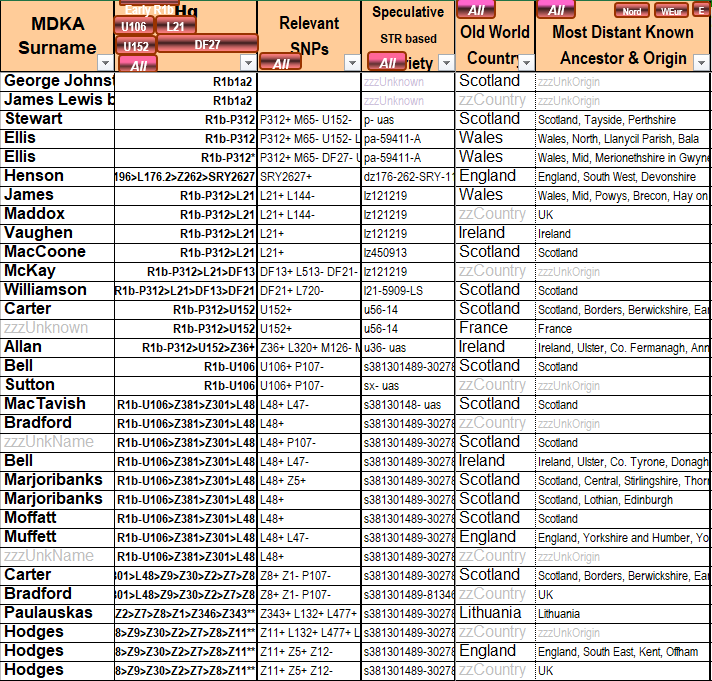
One tact would be to ignore YCAiia & b and move on. Another odd thing that I note on my spreadsheet is that the only values for YCAiib are 18, 22, and 23. What happened to 19, 20 and 21? I followed Howie’s grey STRs while ignoring the YCAii’s and got this group of people. These are people that share Howie’s slower moving STRs that I plugged into the spreadsheet:

Basically, I don’t like the results as I had to ignore YCAii. This shows possible results all over the place. However, at least most of them are in hte British Isles.

At this point, I would say that Howie would have to do the BigY test or a 67 STR test to find out more. In the long run, the BigY is better, but it can be a bit pricey. That should get Howie down to the surname level and likely nail down a location. Note from the list above, I don’t see any Browns or Smiths, but again this is old information. A lot of testing has happened since 2014.


An FTDNA Match and an Ancestry Tree

Tracey is on my first page of matches at FTDNA. She also has a partial tree shown at FTDNA. She lists an ancestor as Finlay and an ancestor in County Sligo, Ireland. This is interesting as one of my brick wall lines married into the Finlay family and was from County Sligo. Perhaps there is a connection. My idea is to use Ancestry to see if I can build out Tracey’s tree to find a match or more of a match.

Tracey’s Genealogy at FTDNA

Tracey shows her father’s line at FTDNA:

Tracey gives some more information on her profile that should help build out her tree.

My Sligo Ancestors

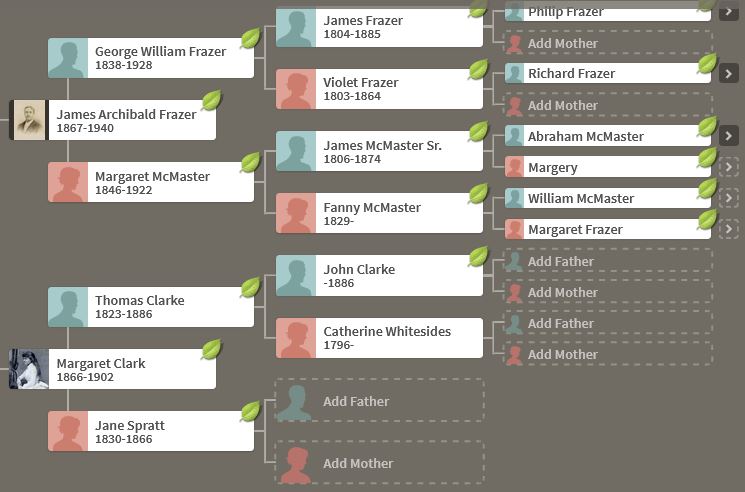
My grandmother’s parents were both from Sligo. However, my guess is that I match Tracey on my grandmother’s mother’s side:

My Grandmother’s mother was Margaret Clarke. Both Margaret and her mother Jane Spratt died young.

Confirming the DNA Match is from County Sligo

Tracey matches me on Chromosome 11:

FTDNA shows that that she has matches in common with my sisters Lori, Heidi and Sharon, but not in common with my brother Jonathan.

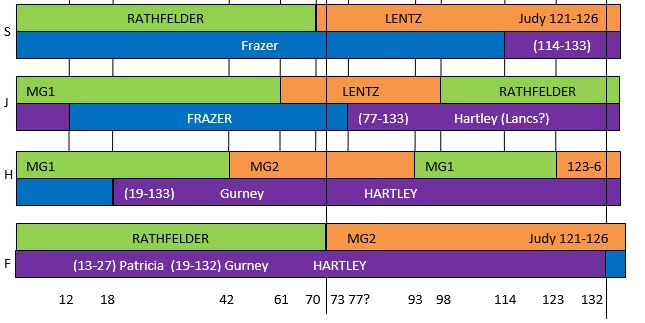
Here is how I mapped out Chromosome 11:

I am J on the map. S and H are my sisters Sharon and Heidi. F is for my brother Jonathan. My match with Tracey is at about position 11 to 36M on the map. Jonathan shows Hartley DNA in that area which is why he doesn’t match Tracey there. I didn’t get around to mapping Lori yet. This confirms that the match with Tracey is on our Frazer grandparent line. As I mentioned above, this line leads back to County Sligo.

Building Out Tracey’s Tree

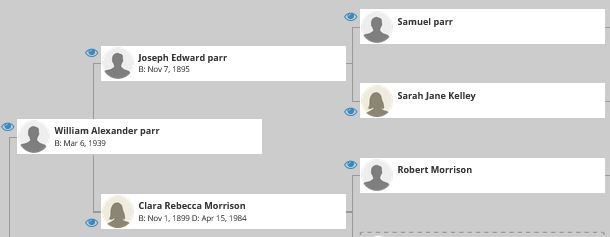
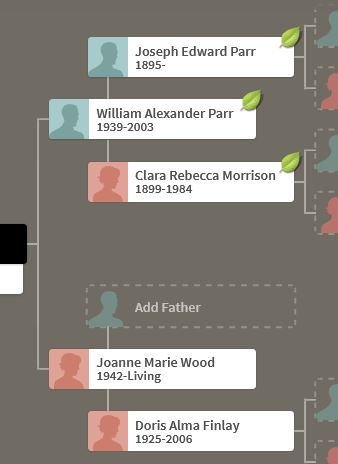
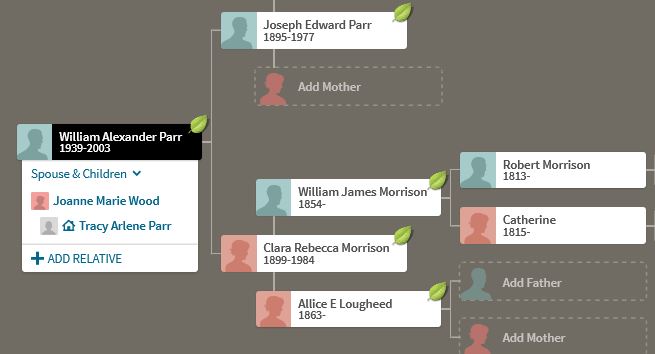
Tracey may have already done this, but if I come up with the same thing as she did, that would be a good thing. Here is my first shot at Tracey’s tree at Ancestry:

Ancestry shows green leaves on Tracey’s paternal side. This means that Ancestry thinks it may know about her paternal side, but doesn’t have any easy clues about her mother’s side. This makes sense as Tracey only showed her paternal side at FTDNA.

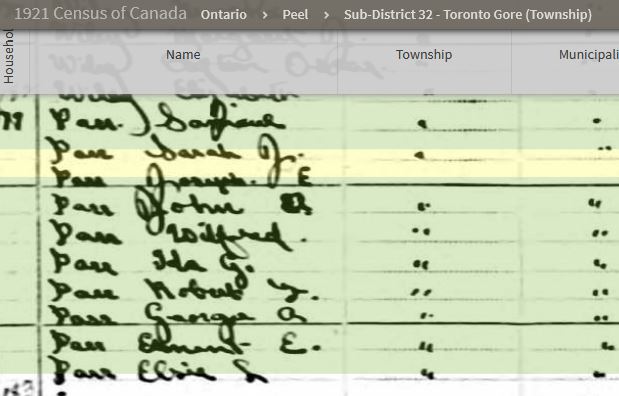
It looks like Joseph Parr was living with his parents and a large family in Toronto Gore in 1921:

This Census seems to indicate that Joseph was born much earlier than 1895. So that makes me wonder if this is the right Joseph E, son of Samuel and Sarah.

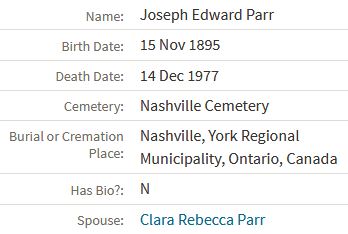
This death record is more consistent with what Tracey has:


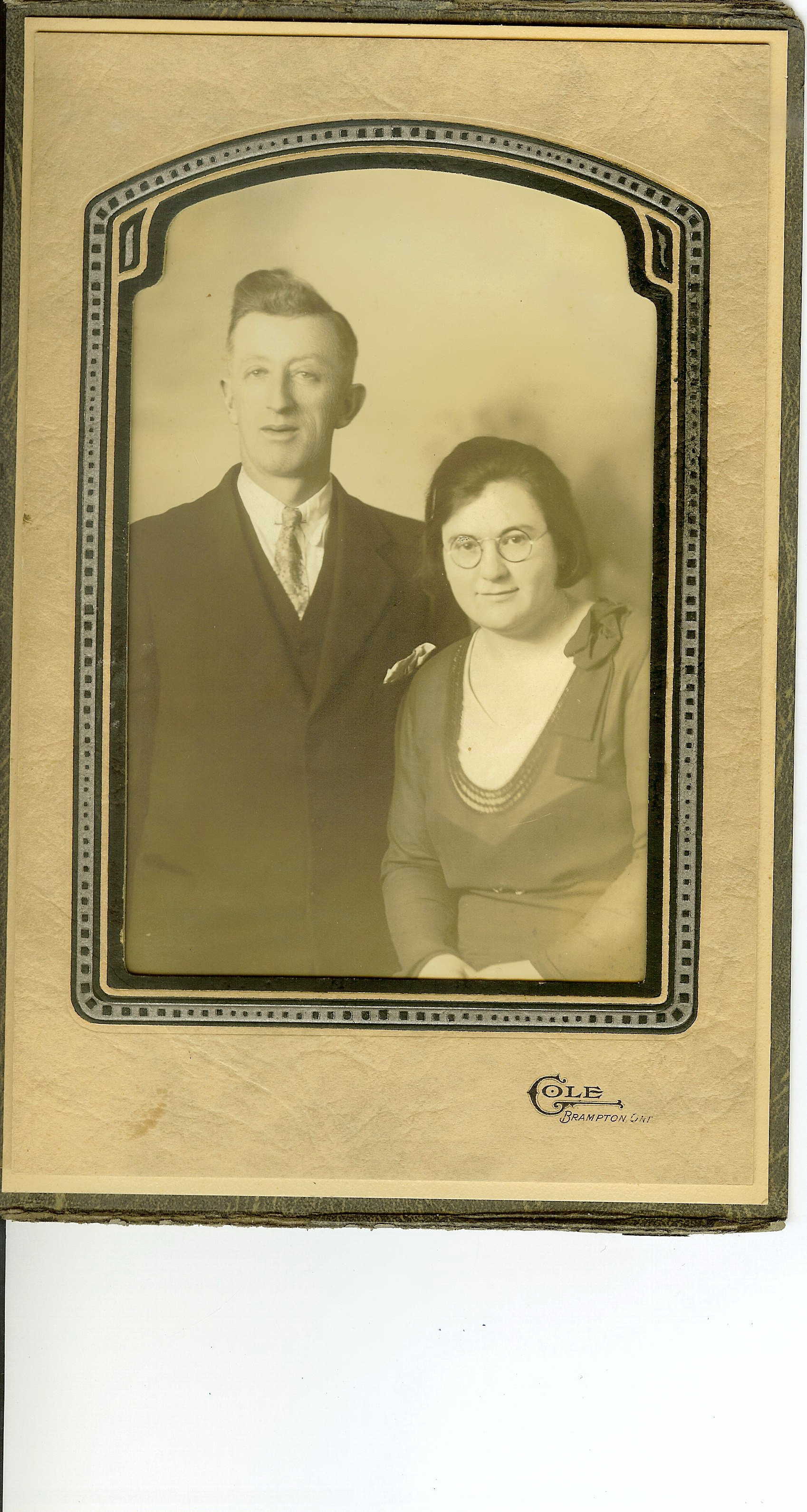
And as a check, I see that Nashville is not far from Brampton where Tracey says Joseph was born. While I was snooping around Ancestry, I even found a photo of Joe and Clara Parr:

Hi Joe. Hi Clara. Are we related? Assuming the match is on Tracey’s paternal side, I’d say that Clara looks more familiar than Joe. That is, if looks count for anything.

Going After the Morrisons

Tracey says at FTDNA that the Morrisons are from Sligo. So it makes sense to look at this line first.

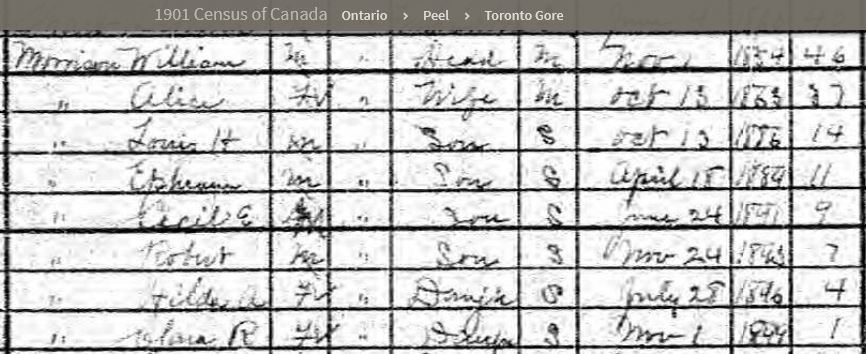
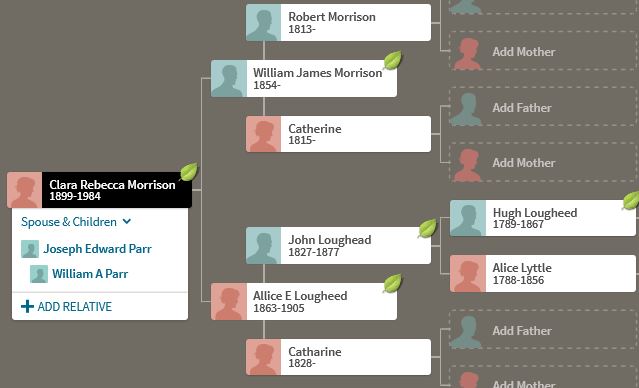
This looks like Clara in Toronto Gore in 1901:

Come to find out Toronto Gore and Gore no longer exist. There is still a Gore Road which I found to the West of Nashville, Ont. This is one of the remnants of the old Township of Gore. The 1901 Census is helpful as it gives birth dates. Here I am diverging from the script a bit. Tracey’s tree had Robert as the father of Clara and the census has William and Alice.

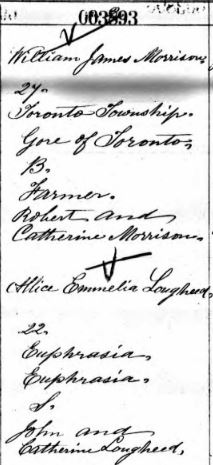
When I add in William, I get many Ancestry ‘Hints’. The Marriage record for William is very vertical:

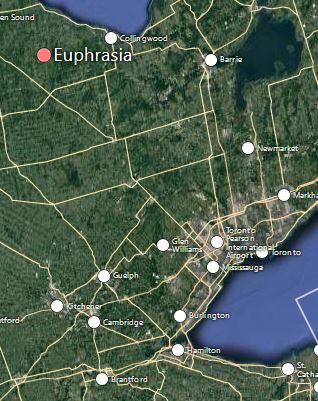
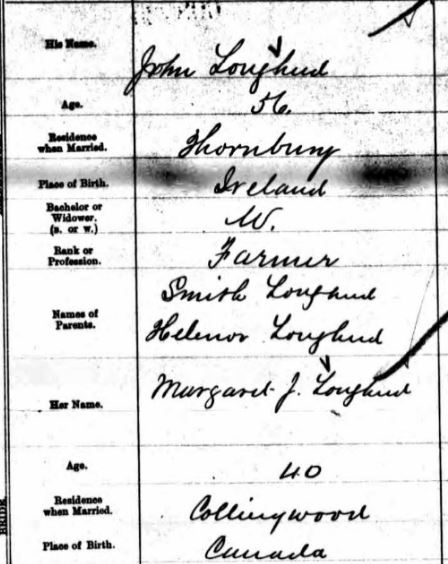
This says that William was from born in Gore but lived in Toronto Township when they married. Alice was born in Euphrasia, where she also lived at the time of her marriage (the same place that they married).

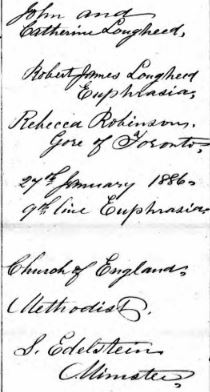
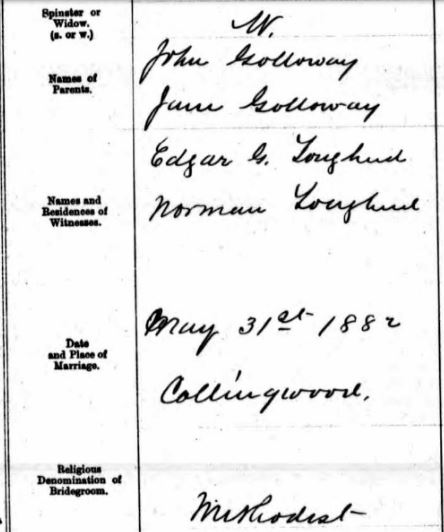
Here are the witnesses and wedding date:

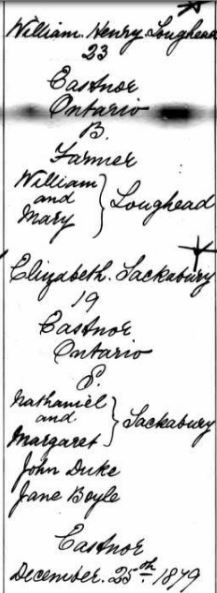
William was from the Church of England and Alice was a Methodist. Alice’s last name looks like Lougheed, but someone at Ancestry has it as Loughead.

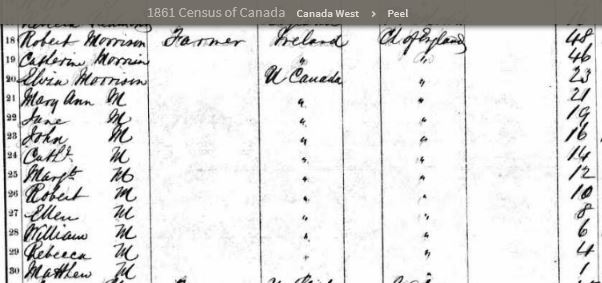
In 1861, the Morrison family had been in Canada at least for 23 years. So they likely were in Upper Canada in 1838

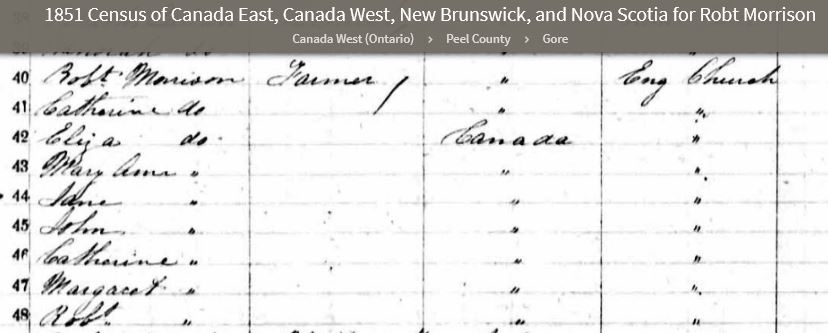
The 1851 Census seems to put the family in Canada as early as 1836:

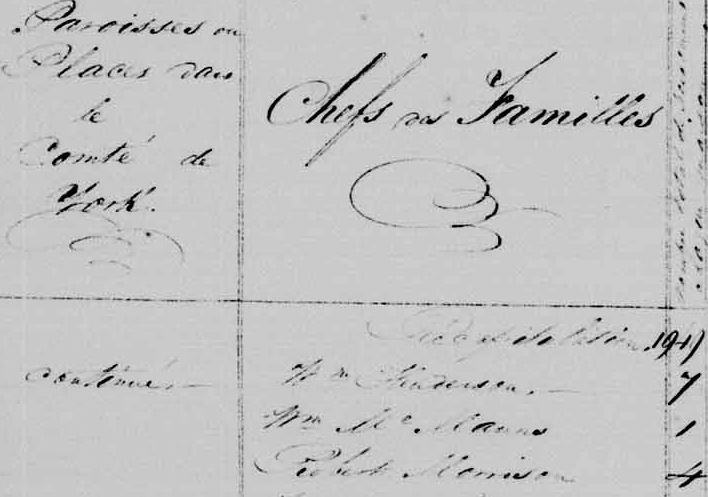
There is some nominal information on a Robert Morrison in the 1825 Census of Lower Canada. At this point, it is difficult to trace this family back to Ireland.

However, there appeared to be two different Robert Morrison’s around, so care is needed when reviewing the records. Tracey’s Robert was in Canada fairly early, so this may be the one.

The Lougheed/Loughead Line

Time to look at the bottom side of the Parr Tree:

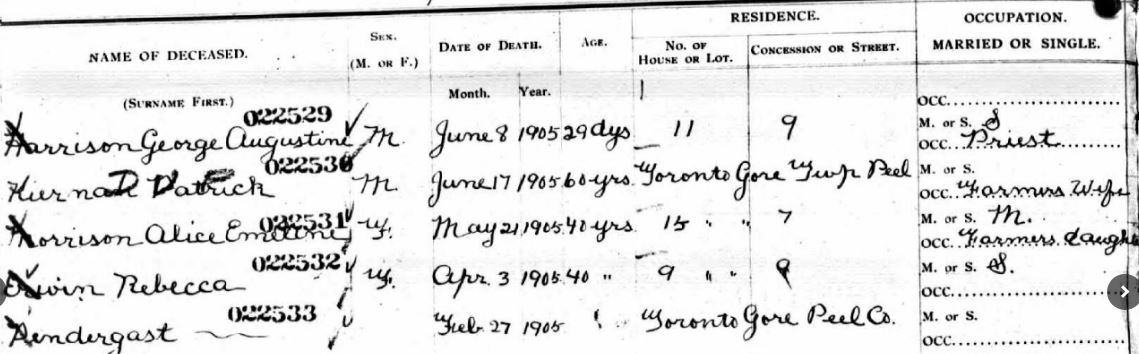
I’ll start with Alice’s death. It is good to start with the end in genealogy.

It took me a little bit to figure out this record as it didn’t line up quite right. The first entry is a baby, so no occupation. The 2nd is a priest. The third is Alice Emeline (Lougheed) Morrison, the farmer’s wife.

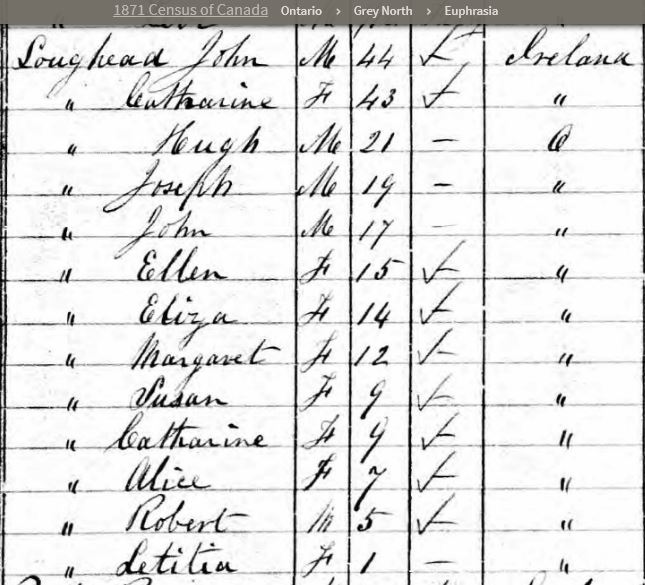
Here is Alice in 1871 with a family of 12:

This is more clearly Loughead. I am doubting the birthplace of Ireland for all the children, but will keep an open mind.

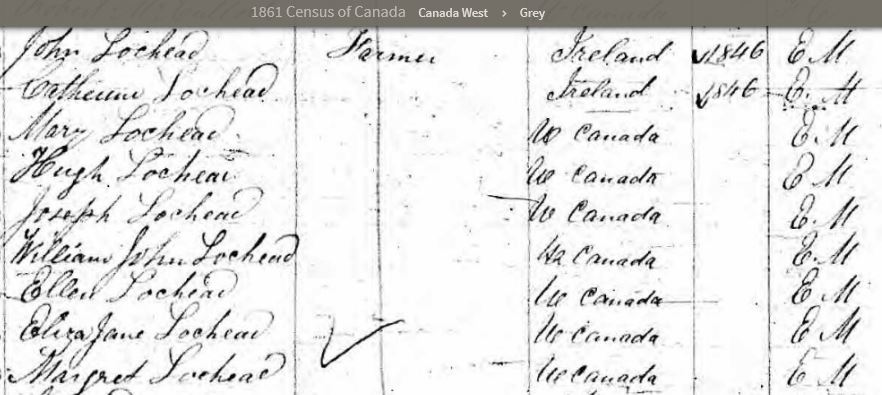
Let’s roll back the clock 10 years to 1861:

Here there is a different spelling for the last name. I’m guessing that this was a more phonetic spelling as a ‘gh’ can have a ‘ch’ or ‘ck’ sound as in the Irish lough for lake. This couple was married in 1846. My guess is that E.M is Episcopal Methodist.

It looks like John re-married a relative by marriage in 1882 [Edit: This is actually a different (though related) John Lougheed as shown later in the Blog. The parents of the right John Lougheed are Huge and Alice.]

:

Seems the spelling is back to Lougheed.

The best I can tell, this is Thornbury:

The family was a bit smaller in 1851 [Note, this is back to the right John as seen by his first son named after his father Hugh.]

It looks like this couple made their way to Canada sometime before 1846 when Mary was born.

Lougheed, AncestryDNA and the Sligo Connection

For some reason, I associate Lougheed with Sligo. At Ancestry, I can look for my DNA matches that also have Lougheed ancestors. My top DNA match at AncestryDNA with a Lougheed ancestor appears to be named Lawrence. Lawrence has this ancestor:

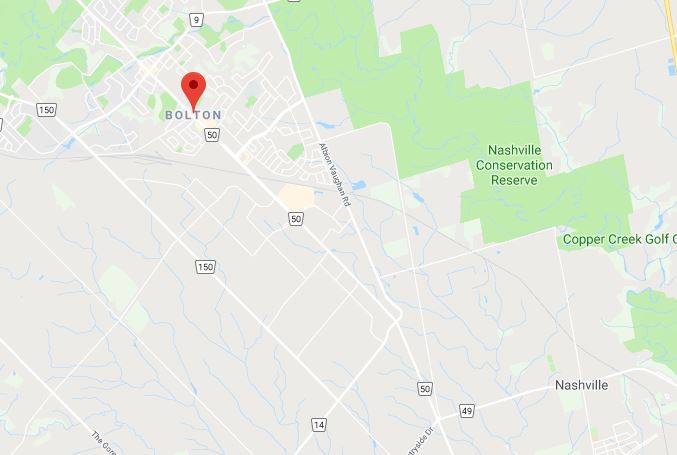
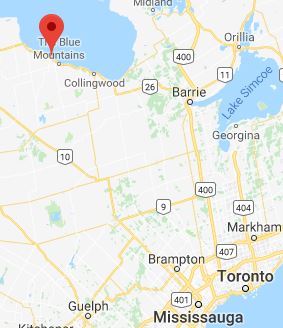
This man has quite a unique middle name. He also was born in Sligo and ended up in Bolton, Peel, Ontario. When I look up Bolton, I find it is near Nashville, Ontario:

Remember Nashville is where Joseph and Clara Parr were buried. Clara was a Morrison but her mom was a Lougheed. It seems like these connections are almost but not quite made.

Another Lougheed: Hugh

The same tree above had another Lougheed ancestor named Hugh.

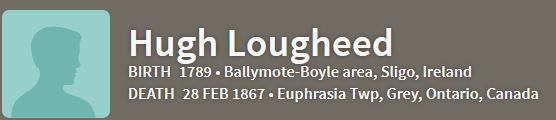
This Hugh seems to be a better fit. I have ancestors in the Boyle area on my Frazer side. Note that Hugh died in Euphrasia where Alice Lougheed lived. Also Hugh had a son John born in 1827. Could this be the same John I found born 1827 in Ireland? I would say they have to be the same person.

My Mistake

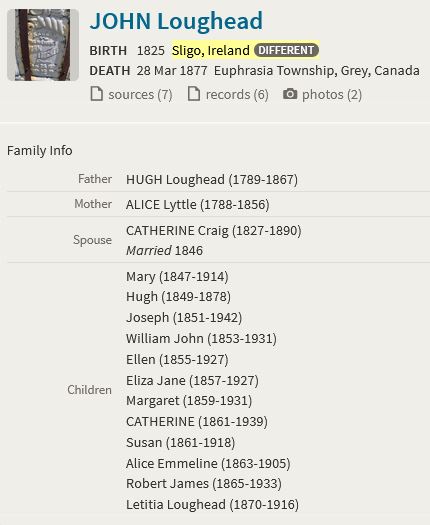
It turns out that there were two John Lougheeds. One died in Thornbury and one died in Euphrasia. The death record I had above was apparently for the wrong John. Here is the correct one as reflected in an Ancestry Family Tree:

Here is a corrected Morrison tree:

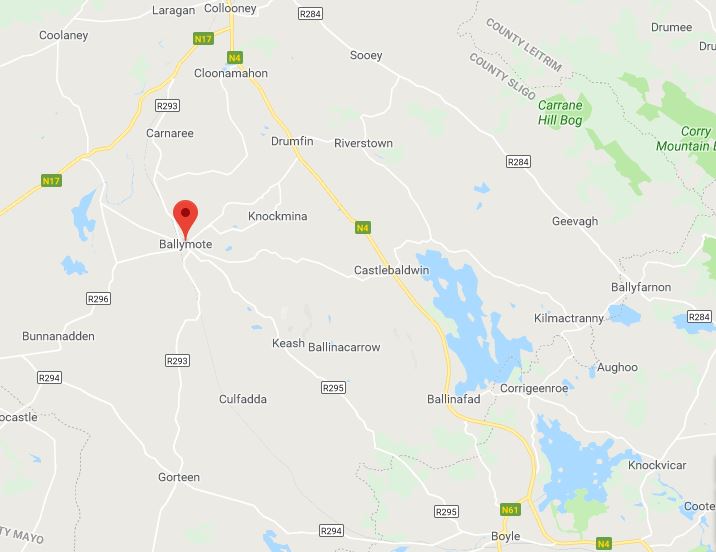
The Ballymote/Boyle Area of Sligo

The creator of the great Lougheed Tree on Ancestry notes that Hugh was from the Ballymote/Boyle area of Sligo. Is that a help? For me, yes and no.

My Clarke family brick wall lived near Coolaney which is nearer to Ballymote. My McMaster ancestors were from the Kilmactranny area. My Frazer ancestors were in the area to the South of Kilmactranny originally in North Roscommon County – not far from Boyle.

Another of My AncestryDNA Matches with Lougheed Ancestry

Summing up:

  • I found a pretty close DNA match with Tracey at FTDNA
  • Tracey has a tree with a Morrison from Sligo. I built the tree out to find a Lougheed also from Sligo.
  • I went to my AncestryDNA matches and searched for matches that had Lougheed ancestors. My match with Lawrence is a predicted 4th cousin by DNA. This person has two Lougheed ancestors. One is Hugh Lougheed who is also an ancestor of Tracey.

This gets to notes I read recently from a genetic genealogy conference. The speaker mentioned the importance of triangulating on genealogy as well as DNA. I think what was meant by this is that if three people all match by DNA and all three have the same ancestor, there may be something there.

The Third DNA/Lougheed Ancestor Match

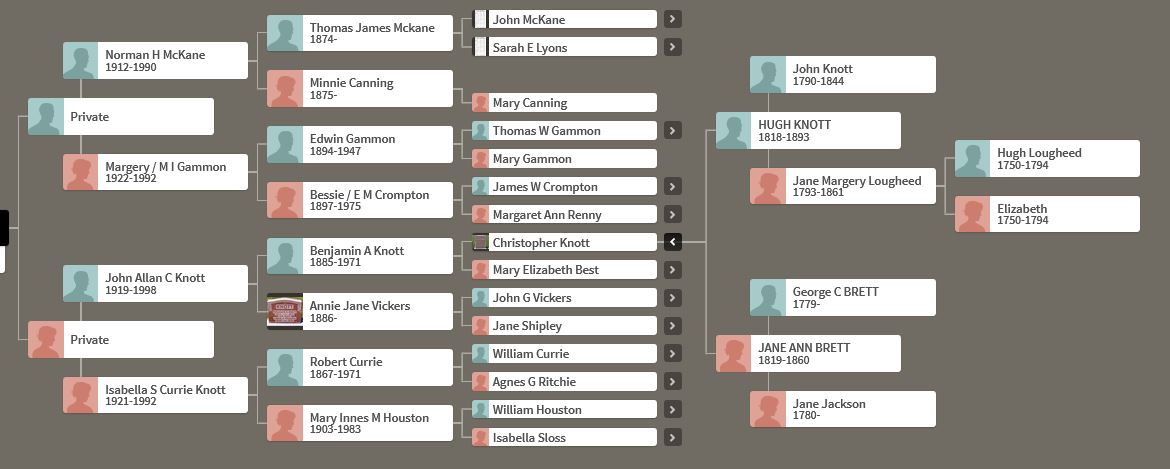
The third DNA Lougheed ancestor match is with Jonathan. Jonathan shows on my AncestryDNA as a possible 4th cousin by DNA. His tree looks like this:

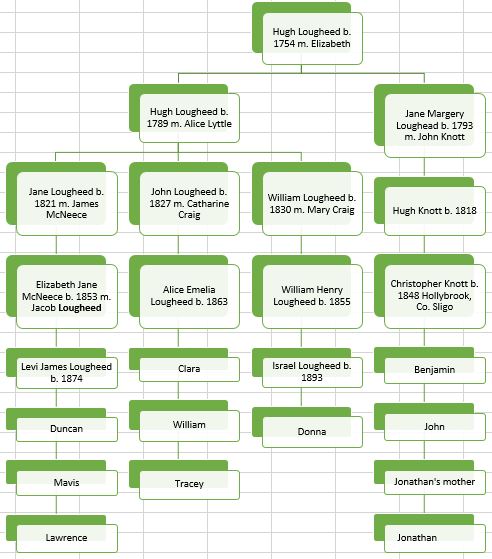
This tree goes back a ways. This Hugh Lougheed, born 1750 is likely the same Hugh Lougheed I see in many trees as being born 1754. If I have it right, Jane Margery Lougheed b. 1793 would be the younger sister of Hugh Lougheed born 1789.

That means between Tracey, Lawrence and Jonathan there appears to be a genealogical triangulation on Hugh Lougheed, born 1754.

A Shared AncestryDNA Match between Me and Lawrence

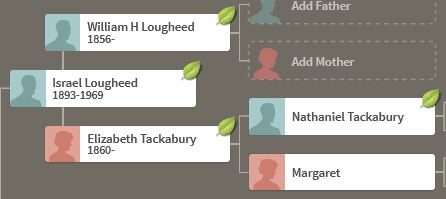
When I look at shared matches at AncestryDNA that Lawrence and I both have, the first person I find with a tree is Donna. She has a short tree, but her father’s name is Loughead. This leads me to try to build her tree back to see if there is an easy connection with the other Sligo Lougheeds.

I’ll start on the paternal side. Donna had Loughead as the spelling of the last name. But I looked at Israel’s marriage record and he clearly signed his name Lougheed. The marriage for William Henry Lougheed is helpful as it gives dates and parents:
All Roads Lead to Euphrasia

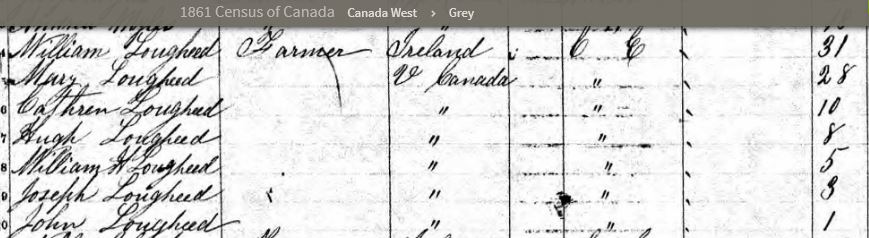
Here is the 1861 Census for Euphrasia, Ontario with the William Lougheed family:

The fact that William has a son named Hugh makes me think I’m on the right track. That and Euphrasia.

Lougheeds from the Top Down

What Next?

As far as I know I match all these Lougheed descendants.

  • Lawrence – predicted relationship 4th cousin at AncestryDNA
  • Tracey – relationship range 2nd to 4th cousins at FTDNA
  • Donna – predicted relationship 4th cousin at AncestryDNA
  • Jonathan – predicted relationship 4th cousin at AncestryDNA

And they likely match each other. I could make an argument that I could be descended from Hugh Lougheed b. 1754. He had other children. Perhaps one of his daughters married one of my ancestors. I do have missing wives for some of my ancestors. I also have whole missing lines on my Clarke side.
Perhaps some new information will come to light. Perhaps these testers will upload their results to gedmatch.com where the DNA can be compared to other matches.


Jan: A Descendant of a Newfoundland Dicks and Close Match to Esther at AncestryDNA

Jan is my wife’s Great Aunt Esther’s third closest match at AncestryDNA. The first is from a family we know and shows as a 1st cousin. Esther’s second DNA match shows as a second cousin. I wrote to this person in 2015 and never heard back. This person also last logged in to Ancestry in 2015. The third person was Jan.

I wrote to Jan in October 2016. She says her paternal grandmother was a Jessie Dicks born in Newfoundland and wonders if Jessie is related to Esther’s Dicks? I noticed that Jan’s DNA kit was administered by someone else. There was a tree associated with the administrator, but no Dicks in the tree. Perhaps I can create a tree to answer Jan’s question:

Here is Jan’s tree based on what she has told me so far. I wrote to Jan to try to find out some more and to see if she would be interested in uploading her DNA results to Gedmatch.com. I assume that her ancestor was from Harbour Buffett where Esther’s ancestors lived.

Looking for Jessie Dicks in Newfoundland

First I went to this site:

They have some pretty good information. I then searched for Jessie Dicks, but the results were not specific enough. Then I tried Jessie Dicks, Harbour Buffett. The first person I found was married. I assume that the Jessie Dicks I’m looking for is a Dicks by birth. The second person I found was here:

Jessie Dicks was born in 1913 as shown in the 1921 Census of Harbour Buffett. However, according to the Census, she and all of her family were born outside of Harbour Buffett.

Esther’s Tree

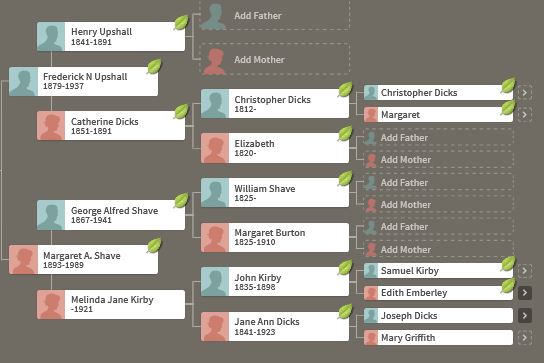
In order to see if Jan is connected to Esther’s ancestry by the Dicks family, I’ll need to look at Esther’s tree:

On Esther’s tree the connection would have to go back to the father of Catherine Dicks, who I have as Christopher Dicks. Another possibility would be the father of Jane Ann Dicks. I’m not positive about either of these Dicks lines at the level of Christopher and Joseph. The Christopher line seems somewhat confirmed by DNA (see below under the Dicks DNA Project).

Back to Jan’s Tree

Assuming, I have Jan’s Jessie in Harbour Buffett in in 1921, I now have this tree:

This tells me that Jan’s possible great grandfather was born around Esther’s dad’s time or Esther’s maternal grandparent’s time. That means that there could be a difference of between 2 or three generations between Esther and Jan.

A search for Henry Dicks at Ancestry leads to a birth record at FamilySearch.org which gives Henry’s parents:

The Dicks Family DNA Project

This is where I pull out the trees of the people that have uploaded their DNA results to gedmatch.com. I have a tree in it with John Dicks and Elizabeth Reid.

I assume that this John Dicks who married Elizabeth Reid is the same as the couple that I have as Jan’s 2nd great grandparents. If my guesses are right, then that would put Jan on a level with Hayley who is a 2nd cousin twice removed to Esther. Now Barry and Hayley both show as shared matches to Esther and Jan at AncestryDNA, so that is further evidence that I am on the right track. Joan is my mother in law. She didn’t test at AncestryDNA. Edward also did not test at AncestryDNA.

Questions Brought Up by the DNA

  • Jan shows up as a predicted 2nd cousin by DNA at Ancestry. She shares 423 cM across 26 segments
  • Barry who on the chart is an actual 2nd cousin once removed shows 196 centimorgans shared across 16 DNA segments with Esther
  • Hayley who on the chart above is an actual 2nd cousin twice removed like Jan shows 93 centimorgans shared across 6 DNA segments.
  • Barry and Hayley’s match results with Esther seem to be more in line with the image below.

Here are the ISOGG web page numbers for cousin statistics:

This tells me that 423 cM is off the charts for a 2nd Cousin, twice removed. The previously reported high for this was 261 cM. That means that there is more than meets the eye between Jan and Esther. Assuming I have the genealogy right (which is a big assumption) that means that Jan and Esther likely have at least one other common ancestor.

Perhaps if Jan uploads her DNA results to Gedmatch.com and I find out more about her ancestry, this mystery will be solved.

Gary’s Frazer DNA from the James Line

The Title of this Blog probably doesn’t make much sense – except for those who are most into Frazer DNA. This is the Frazer Line from the early 1700’s or before in North Roscommon, Ireland. My previous Blog was on Penny who descends from another James Line.

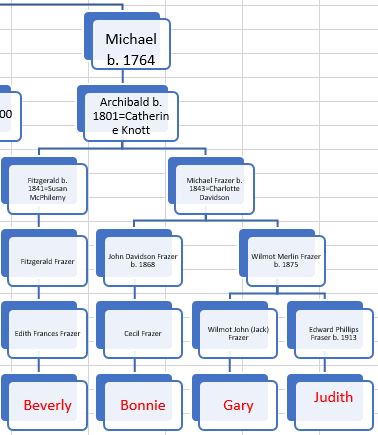
The James Line of the Frazer Tree

James above had two children that we are following through the DNA of their descendants. Archibald had more descendants that have had their DNA tested. Penny comes down on the Archibald side on the left. Gary is on the Michael side on the right. Note that Gary is a 1st cousin to Judith, second cousin to Bonnie and 3rd cousin to Beverly. Also note that the Michael Line is somewhat isolated from the other James Line side.

The Michael Line

Some more on michael

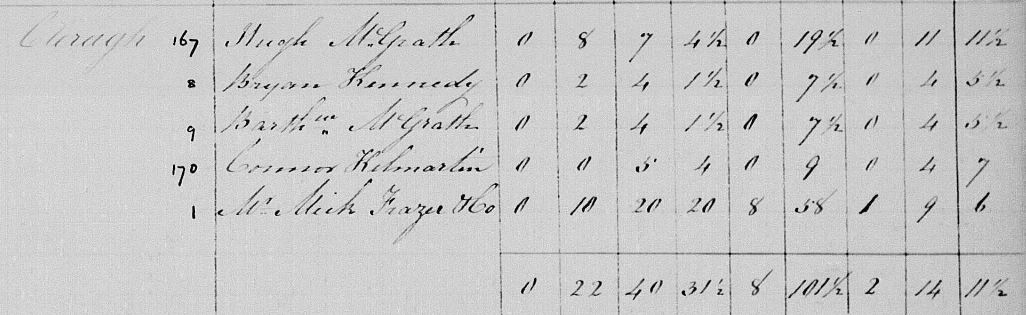
As shown above, Michael Frazer was born around 1764 and was buried at Ardcarne Church 17 Mar 1837. According to a McMaster researcher friend of mine, there was a William McMaster in 1812 who was a tenant either with or of Michael Frazer in Aghrafinegan, on Lord Lorton’s estate. This is probably the same Mick Frazer in the 1834 Tithe Applotment.
This shows “Mr. Mick Frazer & Co.” as the major land holder in Cleragh. Actually he held a little over half the total area of Cleragh. My guess is that he may have had some part in the collection of land rents for Lord Lorton.

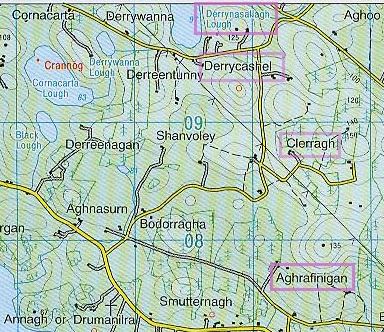
Here is a map of Cleragh:

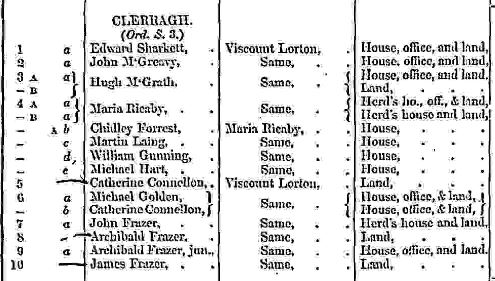
Many Frazers lived in this area in the early 1800’s. The McPartlands who have a Frazer ancestor lived in Derreenargan. My own ancestors were from Derrycashel. Michael’s son Archibald married Catherine Knott and apparently took over the land and house. We see an Archibald living in Clerragh in the Griffith’s Valuation.
I have been educated in the past to understand that here Archibald Frazer, jun. was not necessarily the son of another Archibald Frazer. I have been told that in this area the distinction was between any two people of the same name. At any rate, this younger Archibald Frazer is the one with the house, so I assume that he is the one who took over Michael’s house.

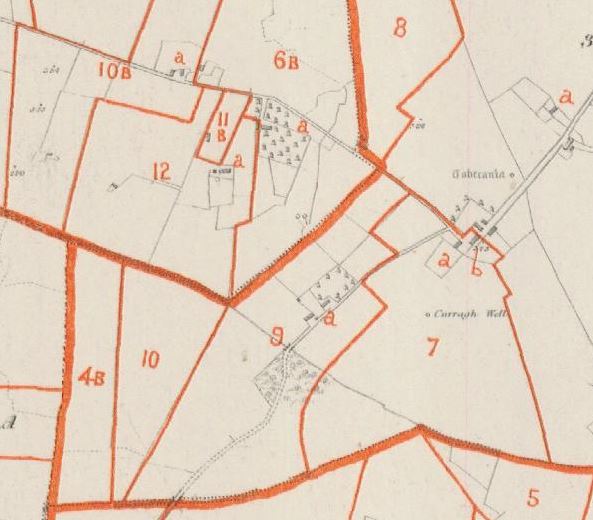
Here is the detailed map showing Lot 9a which was where Archibald and Catherine presumably lived in the SW corner of Cleragh.

Just above 9a is a heavy red line. That is the boundary between Clerragh and Derrycashel. My ancestor James Frazer lived in lot 12 next door to Archibald. That means that Gary’s ancestors and my ancestors must have been neighbors. James to Archibald, circa 1840: “How about coming over tomorrow night with Catherine for some pheasant and gruel?”

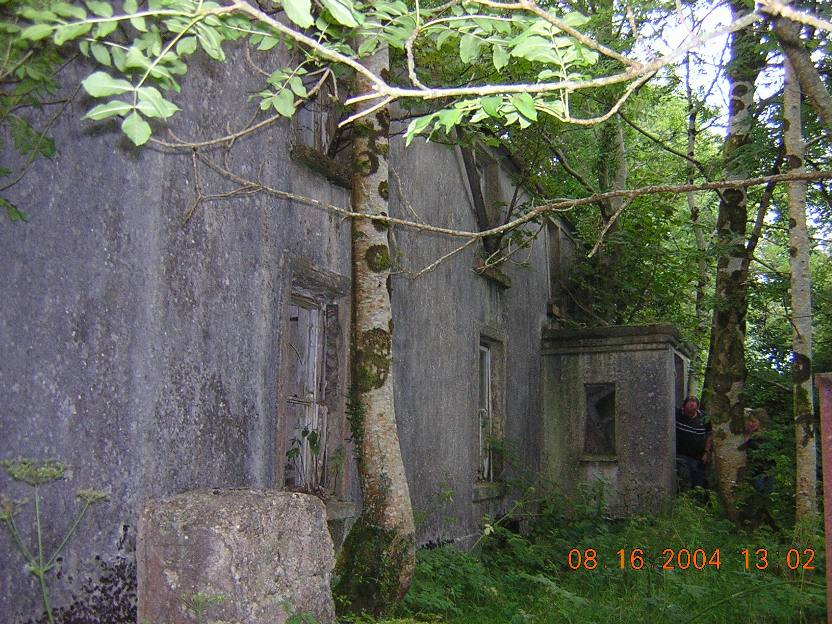
Here is the old James Frazer homestead in Derrycashel.

All I need to do is cut down a few trees growing in the house and it should be back to move-in condition!

Gary’s DNA in the Michael Line

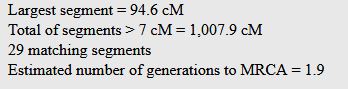
I would expect that Gary should have the largest DNA match with Judith, a medium match with Bonnie and smaller match with Beverly. I won’t post all the details, but here is the summary of Gary’s match with his 1st cousin Judith:

They share over 1,000 cM of DNA which is a little over average for 1st cousins. This shared DNA is either from Wilmot Merlin Frazer b. 1875 or his wife. Now as this study is about the Frazer line, I am not interested in Wilmot’s wife’s DNA. So about half of the 1,000 cM or 500 cM or so should be Frazer DNA.

Gary’s DNA match with his 2nd cousin Bonnie

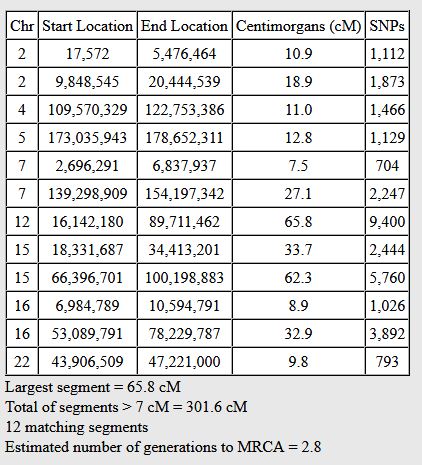
An average number of generations to MRCA for 2nd cousins is 3.0, so again Gary seems to have more than the average Frazer DNA. Of this roughly 300 cM of DNA shared between Gary and Bonnie, about half would be from Michael Frazer b. 1843. The other half of the DNA would be from his wife Charlotte Davidson. Again, I’m not interested in Charlotte’s DNA. Sorry, Charlotte.

Gary’s match with his 3rd cousin Beverly

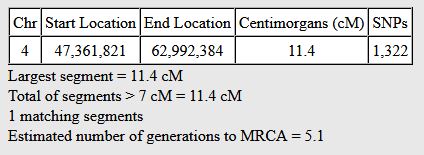
What do you think the match will look like between Gary and Beverly? So far, it has gone from 1,000 cMs to 300, cMs. That is down by about 30%. If we follow the same trend, 30% of 300 is about 90 cM.

Surprise. Only 11.4 cM. By the DNA, gedmatch would predict that these  two are 4th cousins rather than third cousins. Here are the ISOGG statistics for cousin matching:

This gives the average cMs and the ranges of DNA shared for the above relationships. So as far as the average cM amounts, Gary went high, high, low. This shows how variable DNA can be.

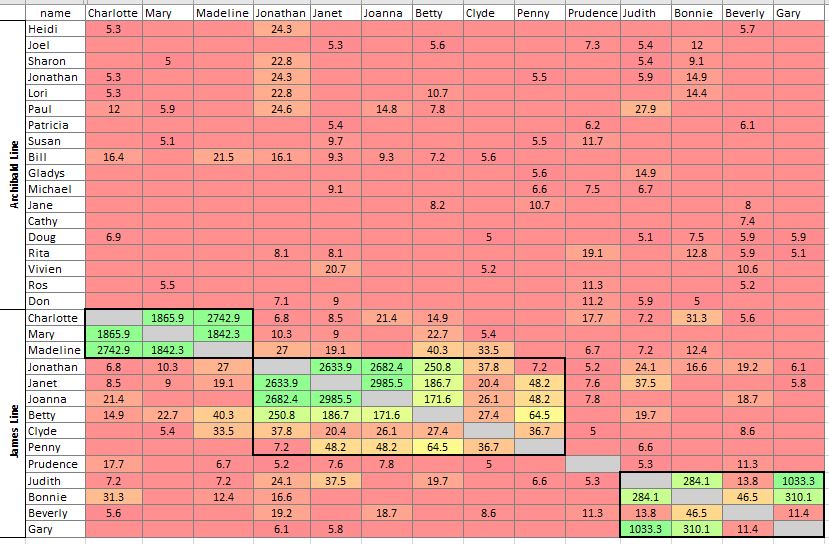
Comparing Gary’s DNA to All Frazer DNA

These results were a little surprising:

This shows that outside of the Michael Line in the lower right box, Gary doesn’t really match anyone at the 7 cM threshold level. He has small matches with siblings Jonathan and Janet and with Doug and his Aunt Rita from the Archibald Line. I suppose this could be due to the isolation of the Michael line from the other main branch of the James Line.

Gary provides an important piece of the puzzle in the Michael Line of the Frazers of Roscommon. His DNA results clearly show his descent from Michael Frazer and Charlotte Davidson. Gary’s match with Beverly is within the range of a 3rd cousin. Perhaps more testing of descendants of the Fitzgerald Frazer Line that Beverly is on would have clarify this Archibald Frazer/Catherine Knott Branch.